International Volunteer Journey — Sri Lanka
Stepping onto a South Asian island in the Indian Ocean as an international volunteer, seeking inner stillness through service, journeys, and the quiet connections of eyes, land, and people.
Although it was one of the plans I had set at the beginning of the year, standing here now at 30, after more than ten hours of transfers and flights, finally landing at Colombo International Airport — the moment I stepped onto this South Asian island in the Indian Ocean still felt unreal.
At the start of the year, I chose “stillness” as my keyword. For most of my life before 30, I had been chasing survival and work. It wasn’t until I paused to look back that I realized how many scenes, people, and moments had slipped by along the way. This year, facing shifts in life, changes in where I live, and challenges at work all at once, I decided to truly settle — to see the world, and myself, anew.
There are many ways to see the world — books, films, the internet, travel. Since I was going to do it, I wanted to do it differently, and in the end I chose the unusual identity of “international volunteer” as my way of stepping into an unfamiliar land.
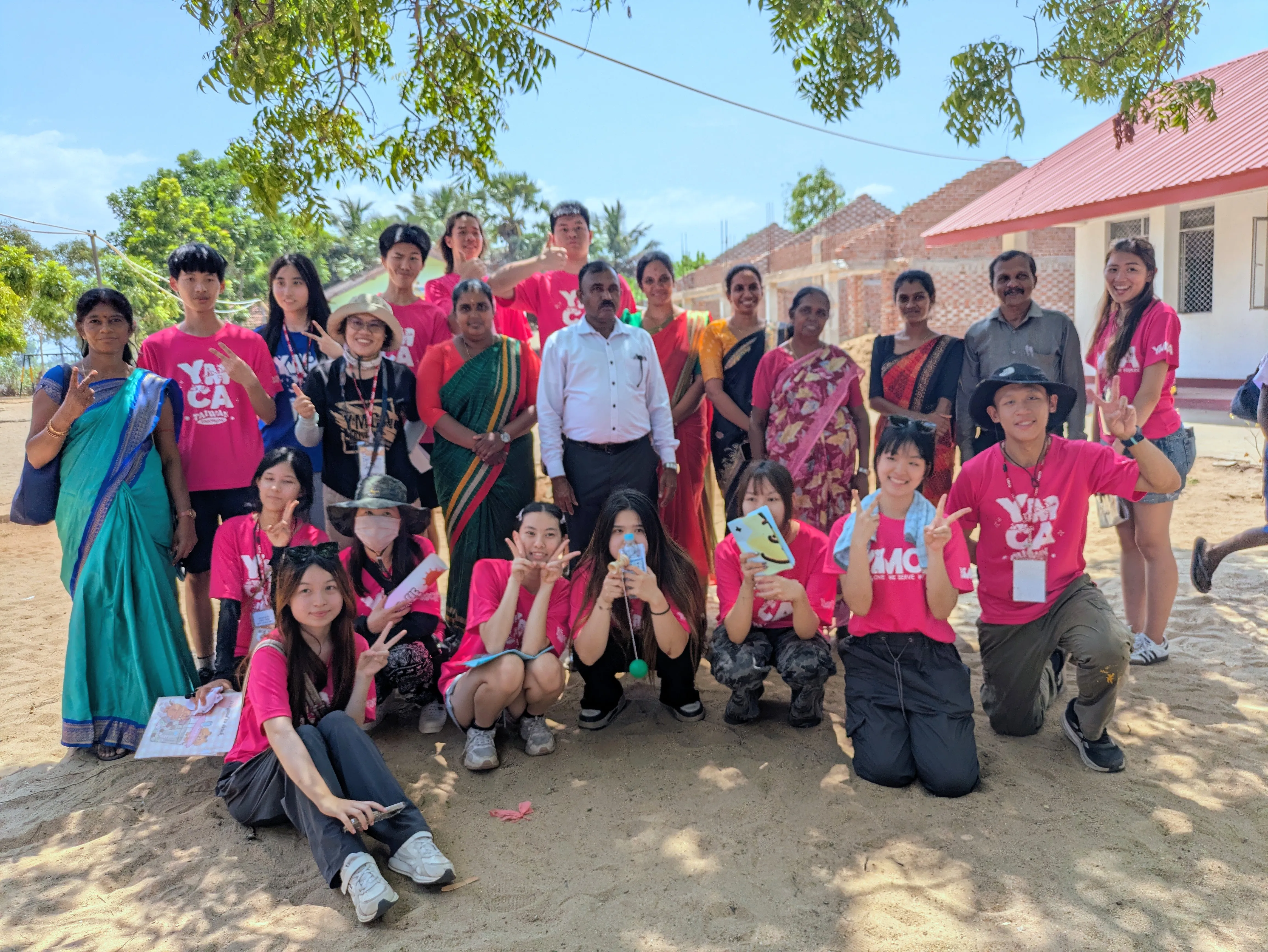
After landing, another near ten-hour drive followed — through bustling city streets, roads without traffic signals, from dawn until dusk, crossing silent black mountains, arriving in Batticaloa on the eastern coast well after nightfall. Bleary-eyed, we unloaded our luggage, freshened up briefly, and hurried to bed, ready to meet the first challenge of the next day.
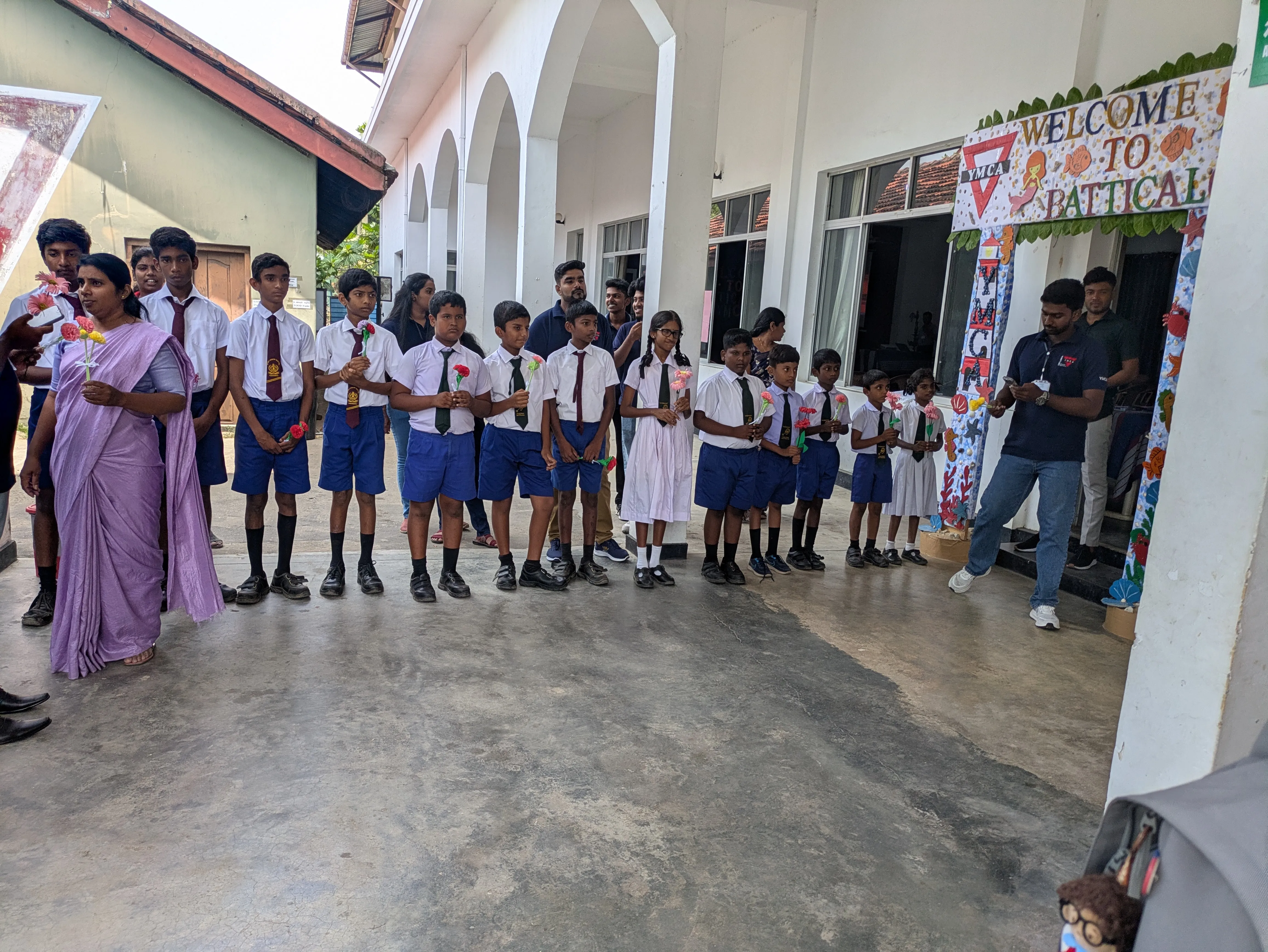
Waiting at the welcome archway, holding bouquets in neat rows, were deaf and mute schoolchildren in crisp uniforms. In silence, we exchanged our gratitude and anticipation for one another.
Language and writing, one of humanity’s greatest inventions — they have carried the knowledge and culture of civilization across time, allowing thought and feeling to pass between people. But meeting these children today brought me back to eyes and gestures, to the most primal and unadorned connection between human beings.
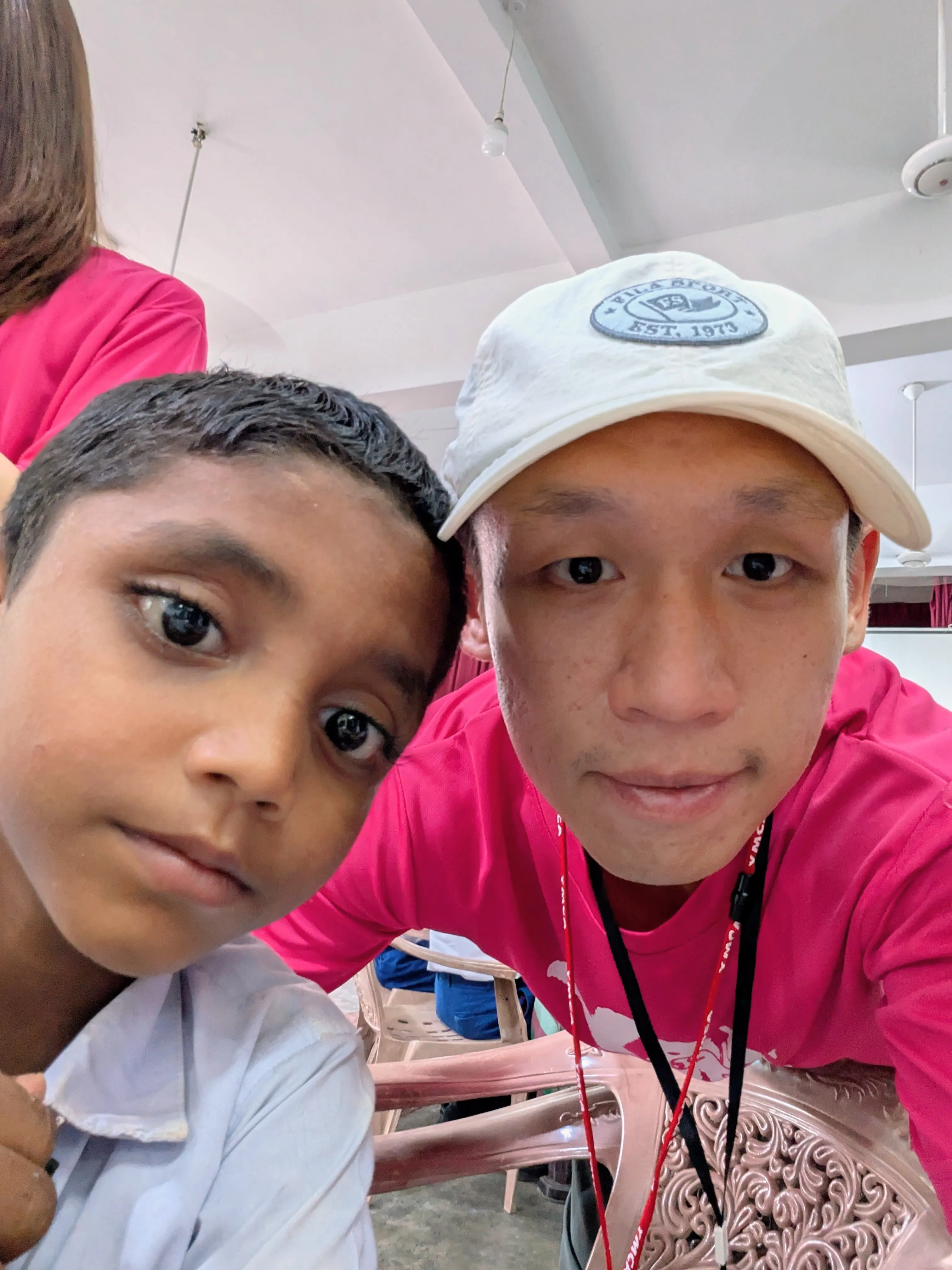
When one’s mind and feelings are no longer confined by words, sometimes the emotions of another can be felt more directly. I began to understand that “being understood” is one of humanity’s most basic longings — and when you finally grasp what someone is trying to express, the joy in their eyes is the most direct response.
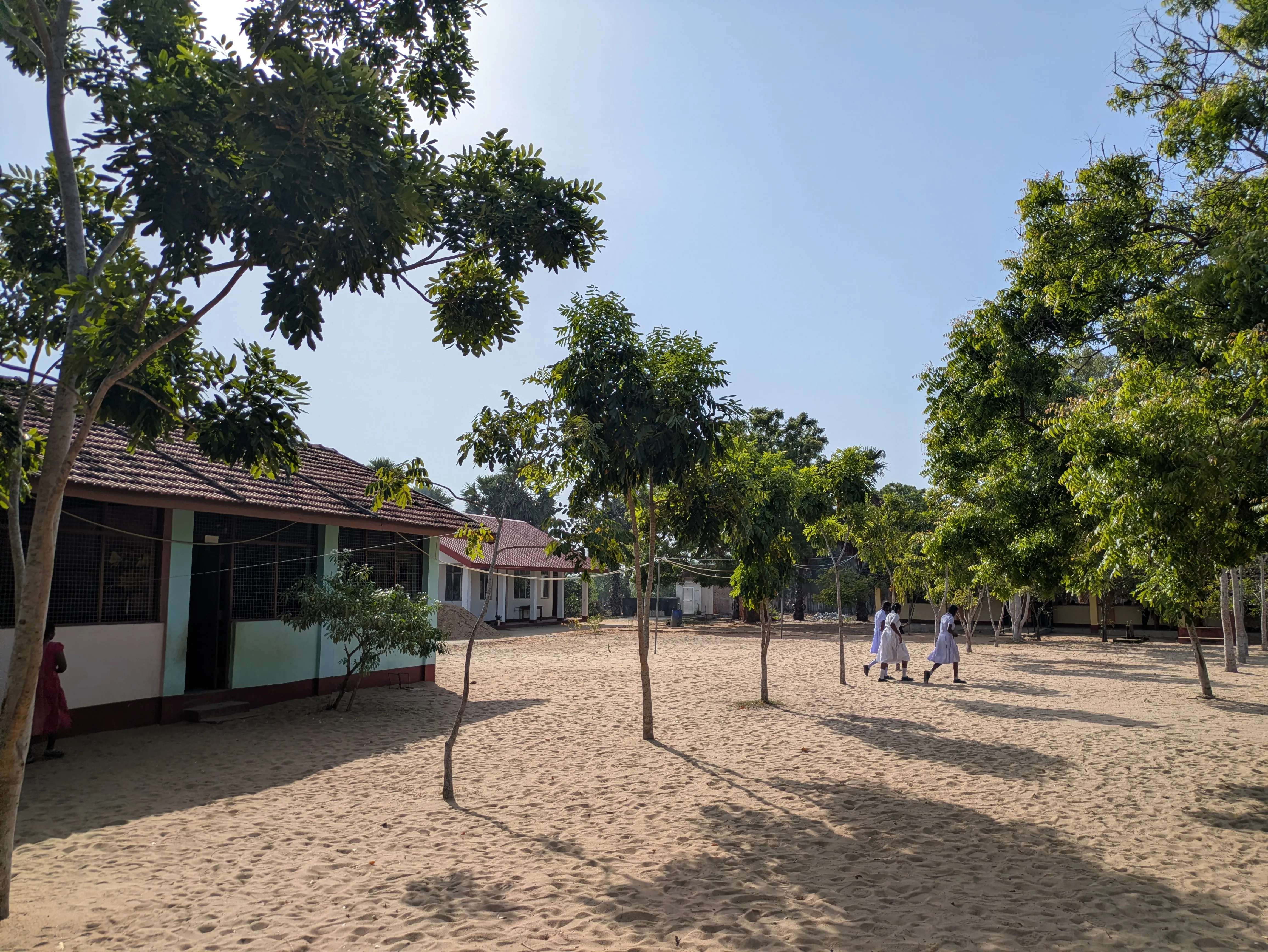
Over the following two days, we visited a school in a remote rural area. What met our eyes was a sandy schoolyard, weathered walls, worn teaching materials, scarce resources; and within all of this, trees pushing up bravely from the sand, clear eyes untouched by materialism, and legs that could run and jump without needing fancy shoes.
In classrooms without electric lights or air conditioning, the children’s focused eyes and hunger for learning were still unmistakable. Perhaps what we truly need is not that much after all.
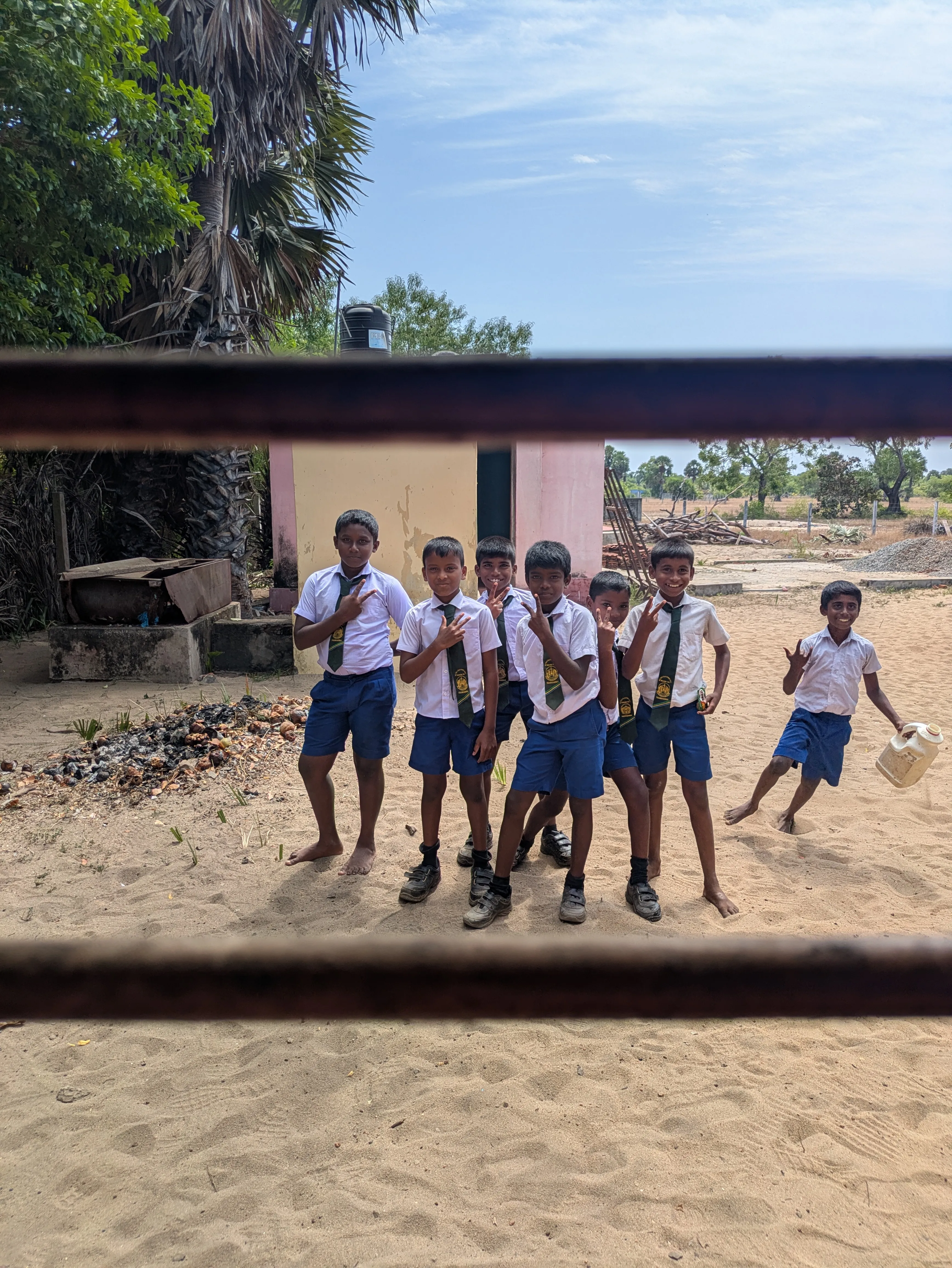
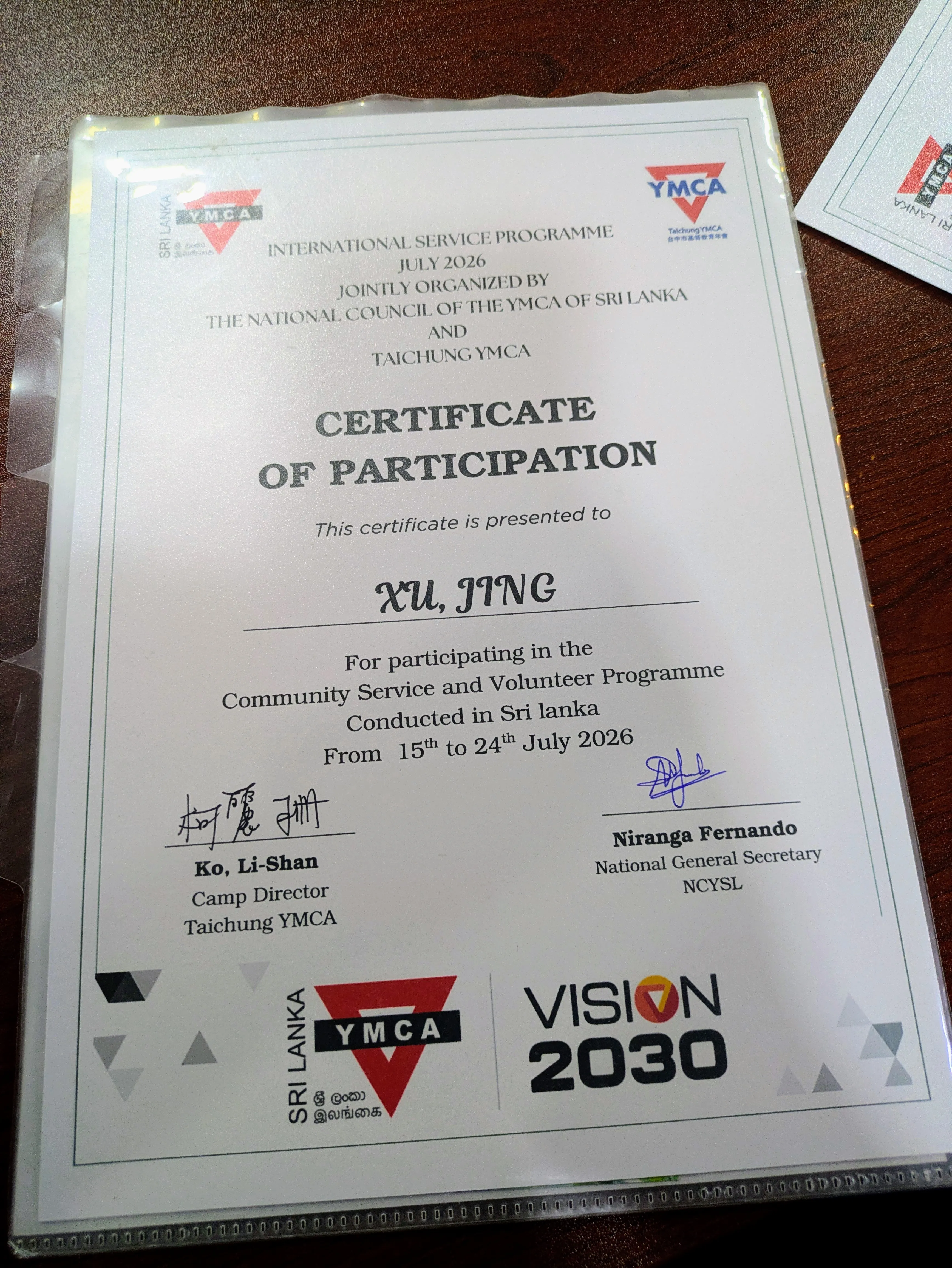
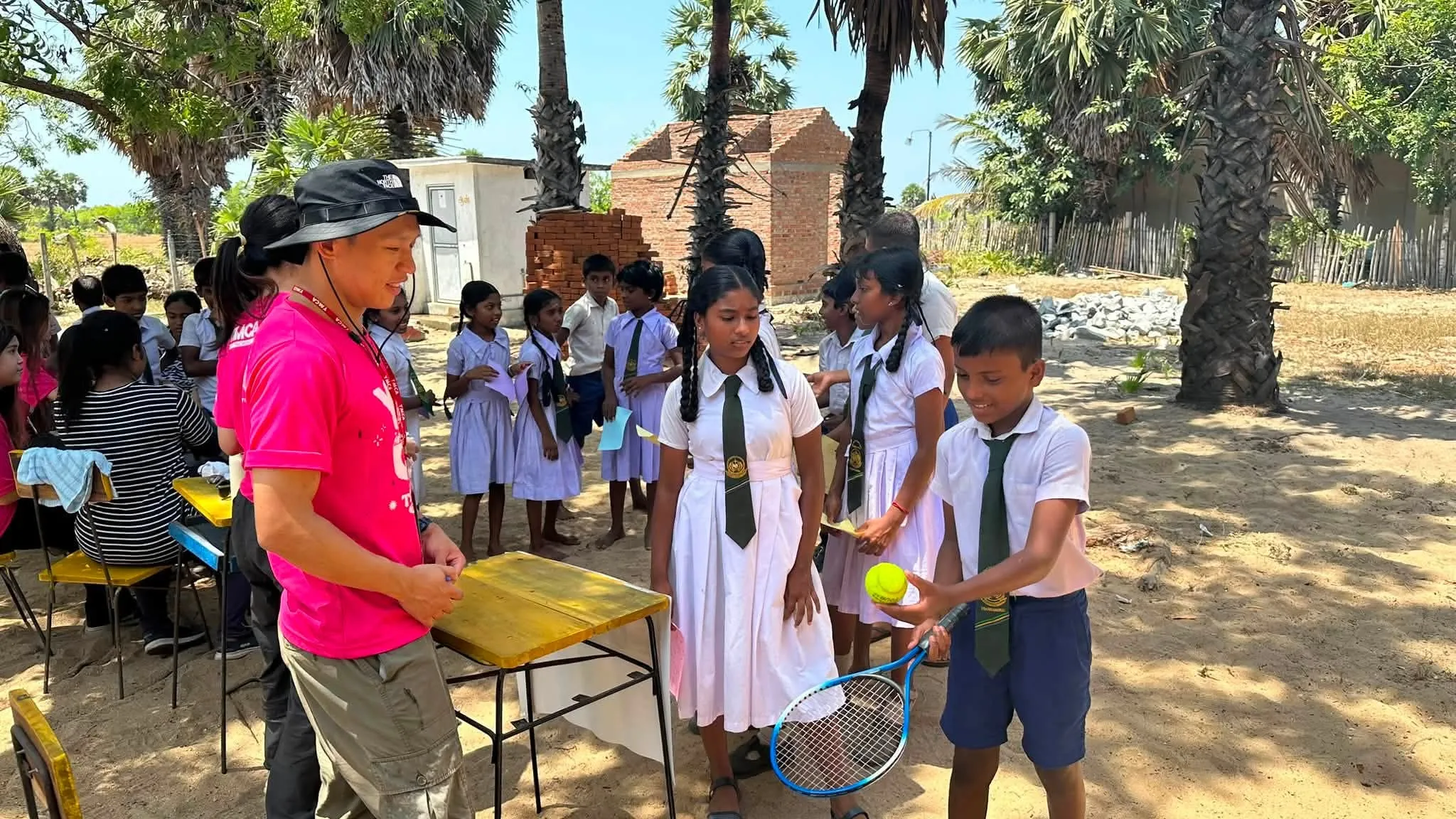
We helped renovate the play area, repaint walls, restore teaching materials, and tidy the school grounds. We played with the children and handed out stationery and supplies. The simplest games, the most ordinary things — to them, these were the most precious gifts. The principal came especially to thank us, but in my heart I thought, “He is the one who holds fast to the belief in education in a place like this — the gratitude and respect should really be flowing the other way.”
Whatever the way, we each do what we can to bring a small change to this world. It may be trivial, useful, or in vain; results may not come quickly. But like a seed being planted — as long as one sprouts, somewhere, in someone’s heart, this world gains another tree to shelter those who come after.
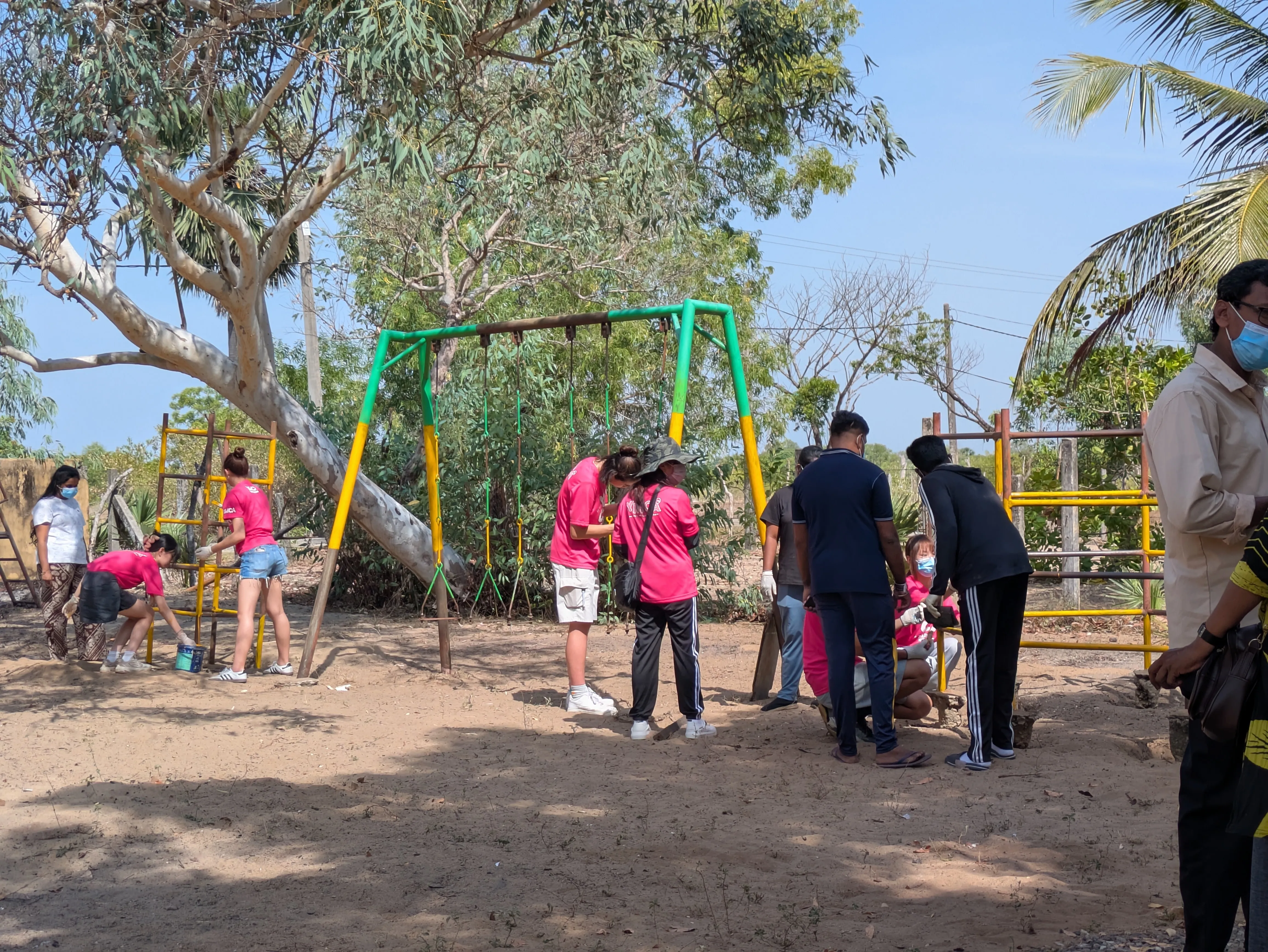
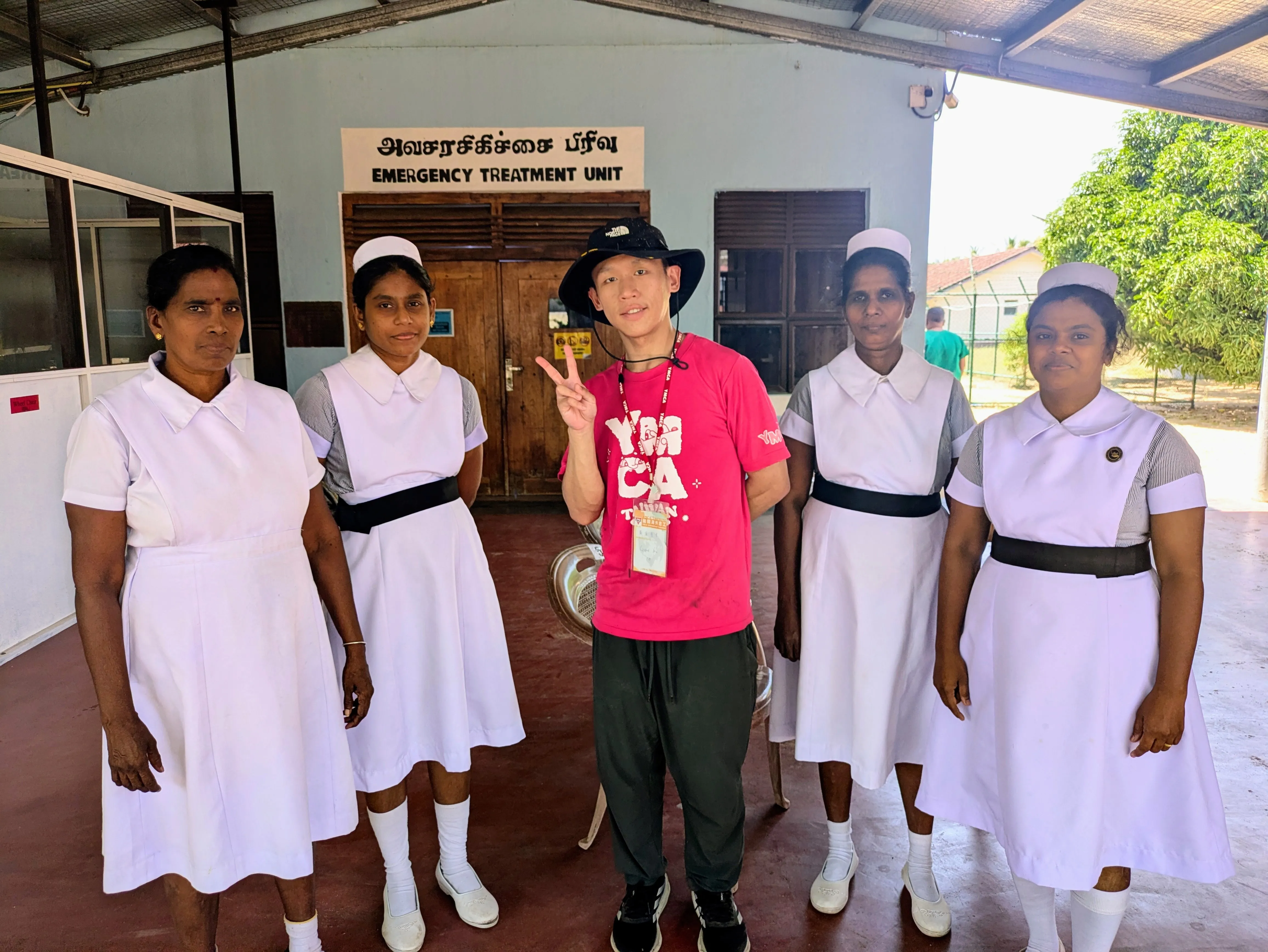
The clinic and infirmary were single-story buildings, connected to a kindergarten. The so-called emergency room was little more than a triage station divided by partitions and a few simple beds; the so-called consultation room was just a space veiled by cloth curtains. Overgrown with weeds and surrounded by rubble, the buildings slowly emerged into daylight through everyone’s shared effort, adding one more usable space to an already difficult medical environment.
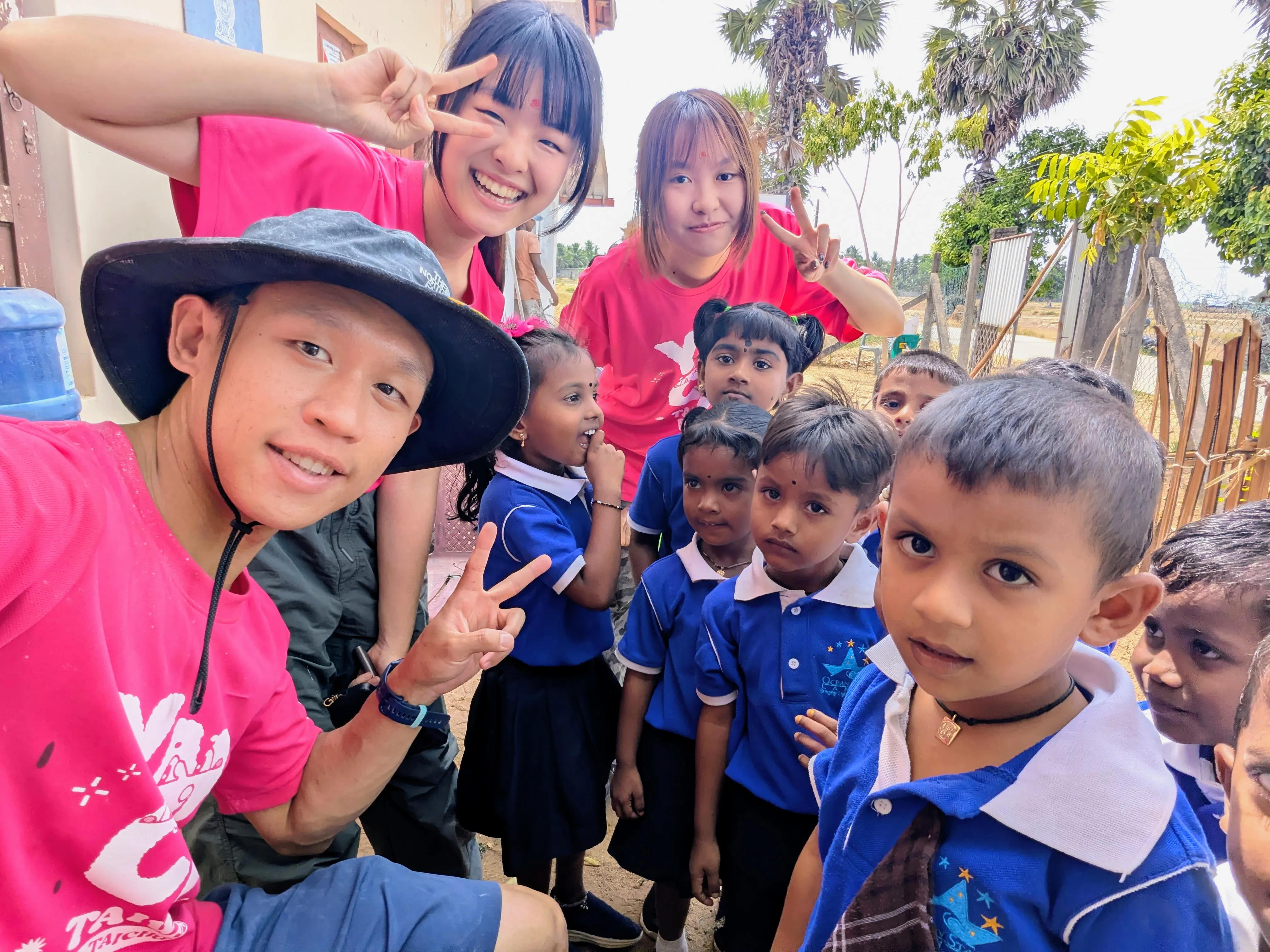
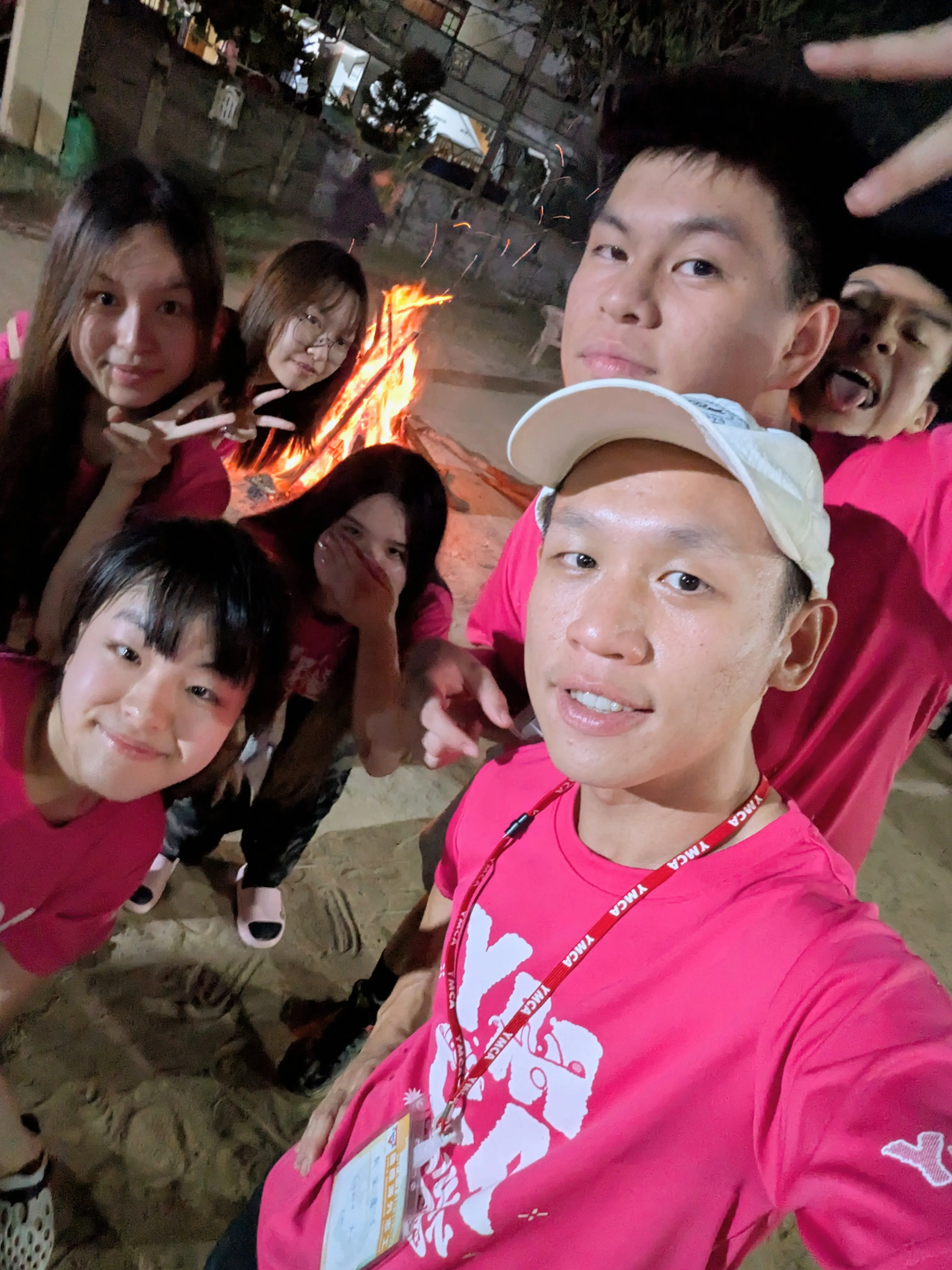
The kindergarten children next door, facing this group of foreign strangers with unfamiliar faces, showed no fear at all — only innocence and warmth. They eagerly wanted to take photos and play with us, entirely unaffected by differences in skin color or language.
It made me pause and reflect: in this age of information, with all that we consume from those curated worlds, have we too been narrowed in how we see and imagine the world? Have we, in following inherited values, lost our most direct sense of feeling and judgment?
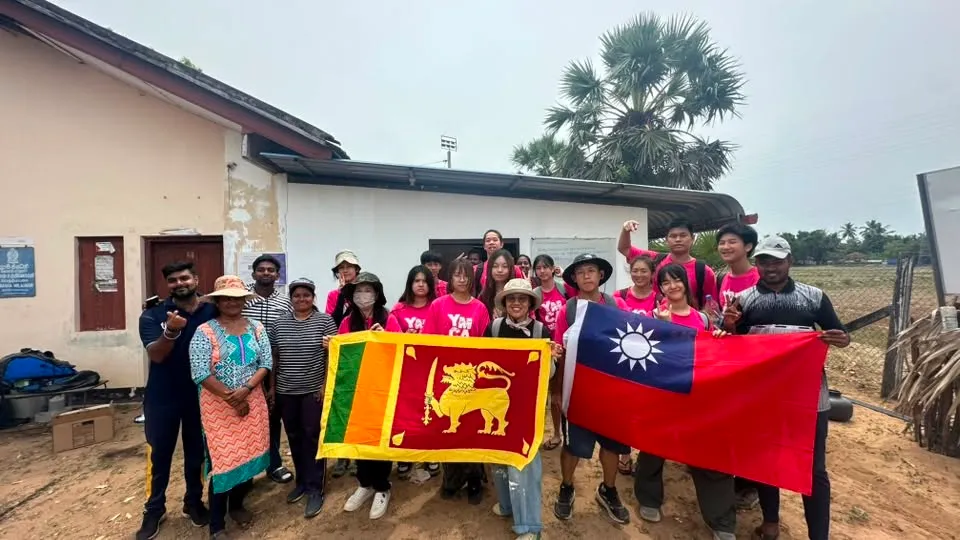
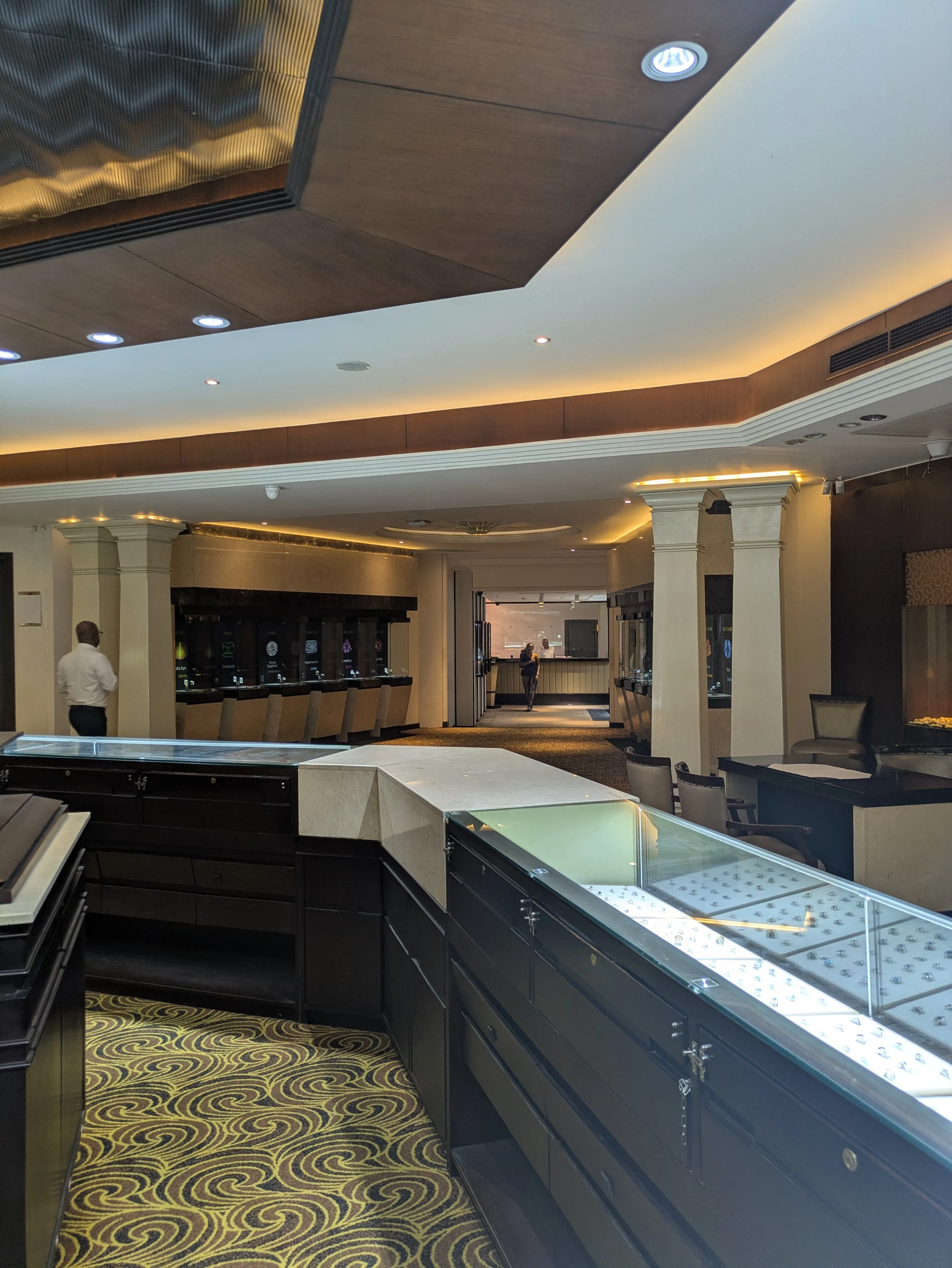
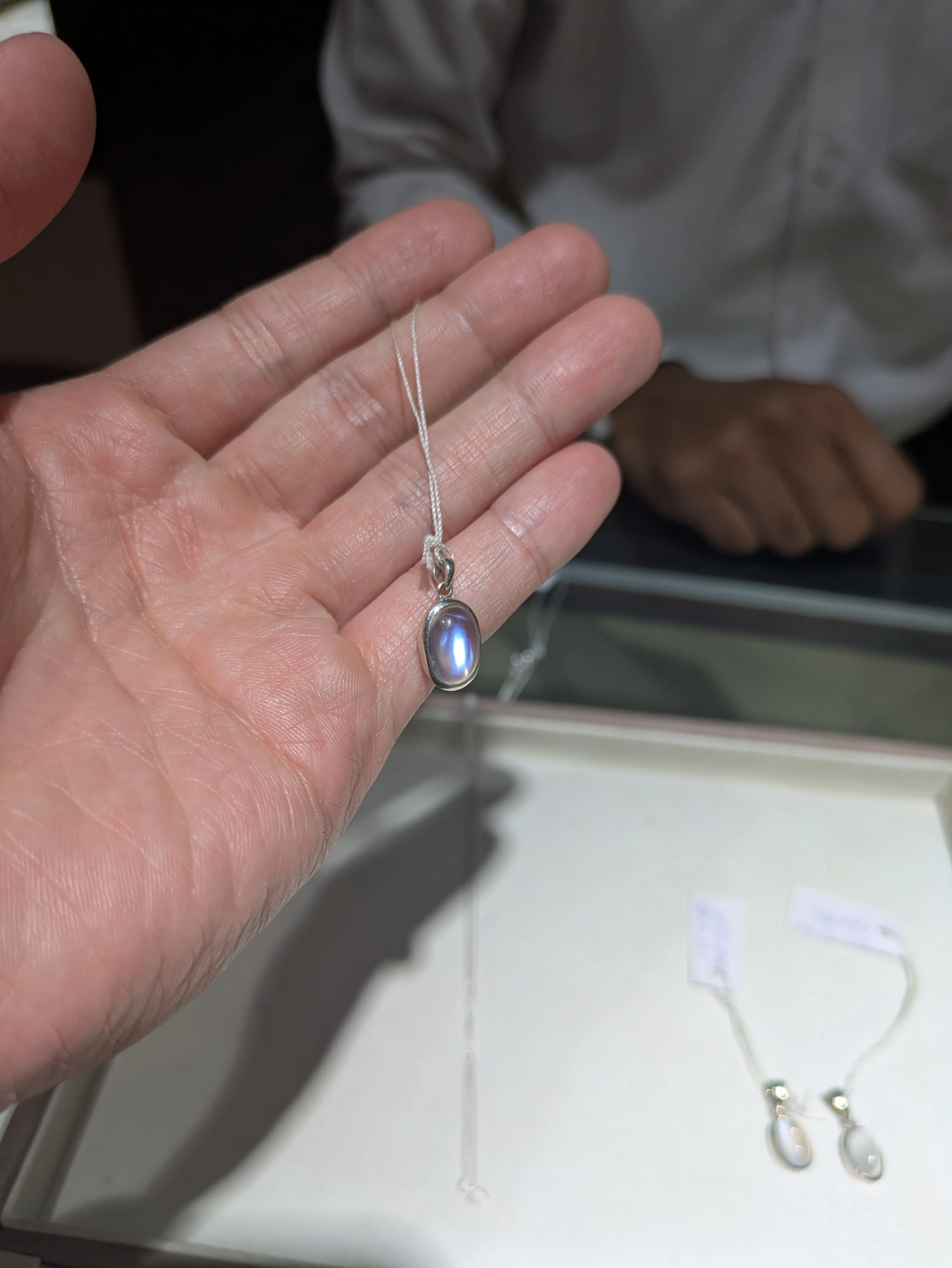
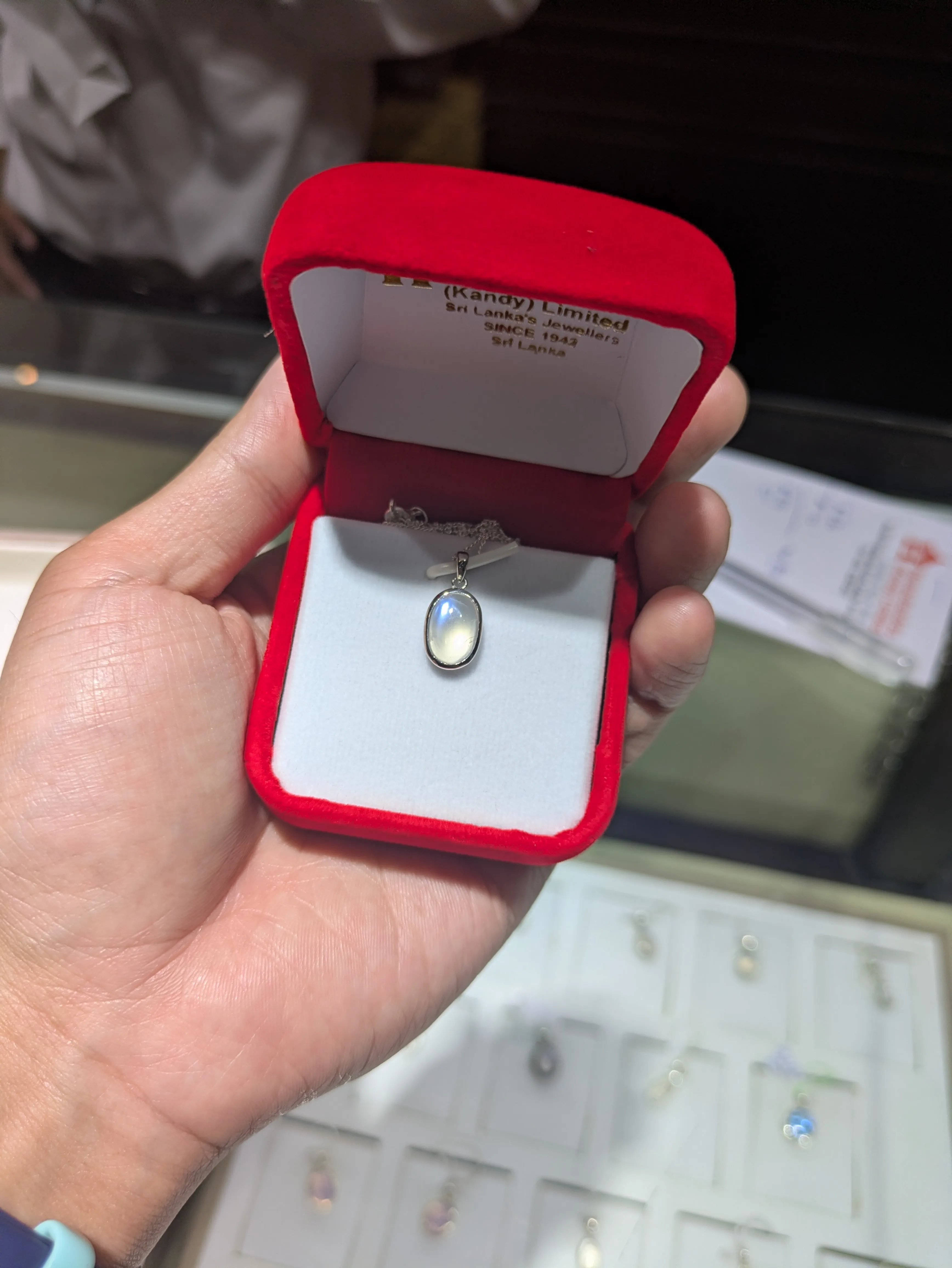
Sri Lanka is also known as the “Island of Gems.” Before leaving, I had done some homework, planning to look for a piece of jewelry to bring back. After visiting a few shops without finding the right one, and just as I was starting to feel stuck, one of the local volunteers introduced me to his brother, a jewelry designer. Through him, I came to the company he worked with, and there I finally found a design I loved.
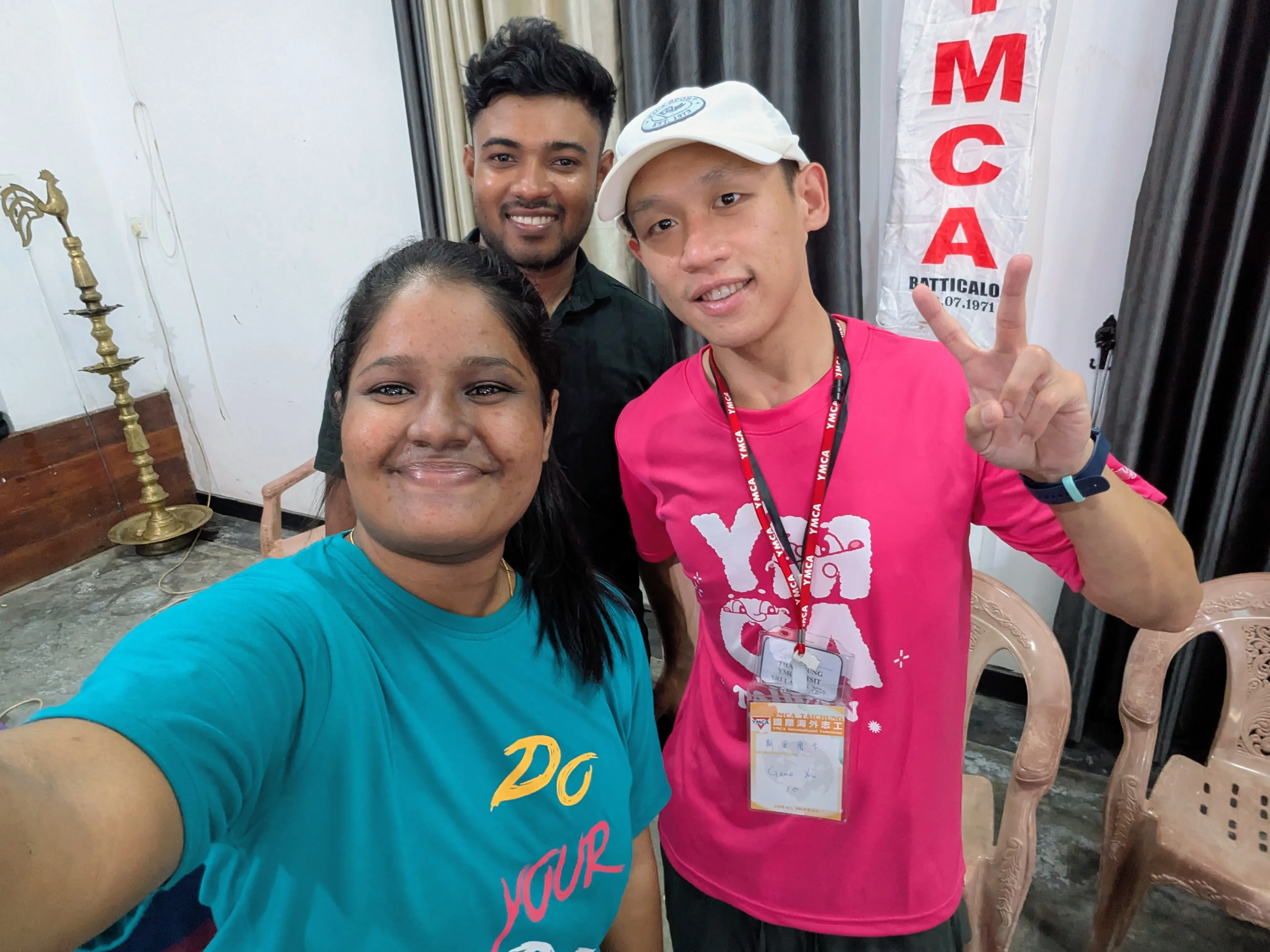
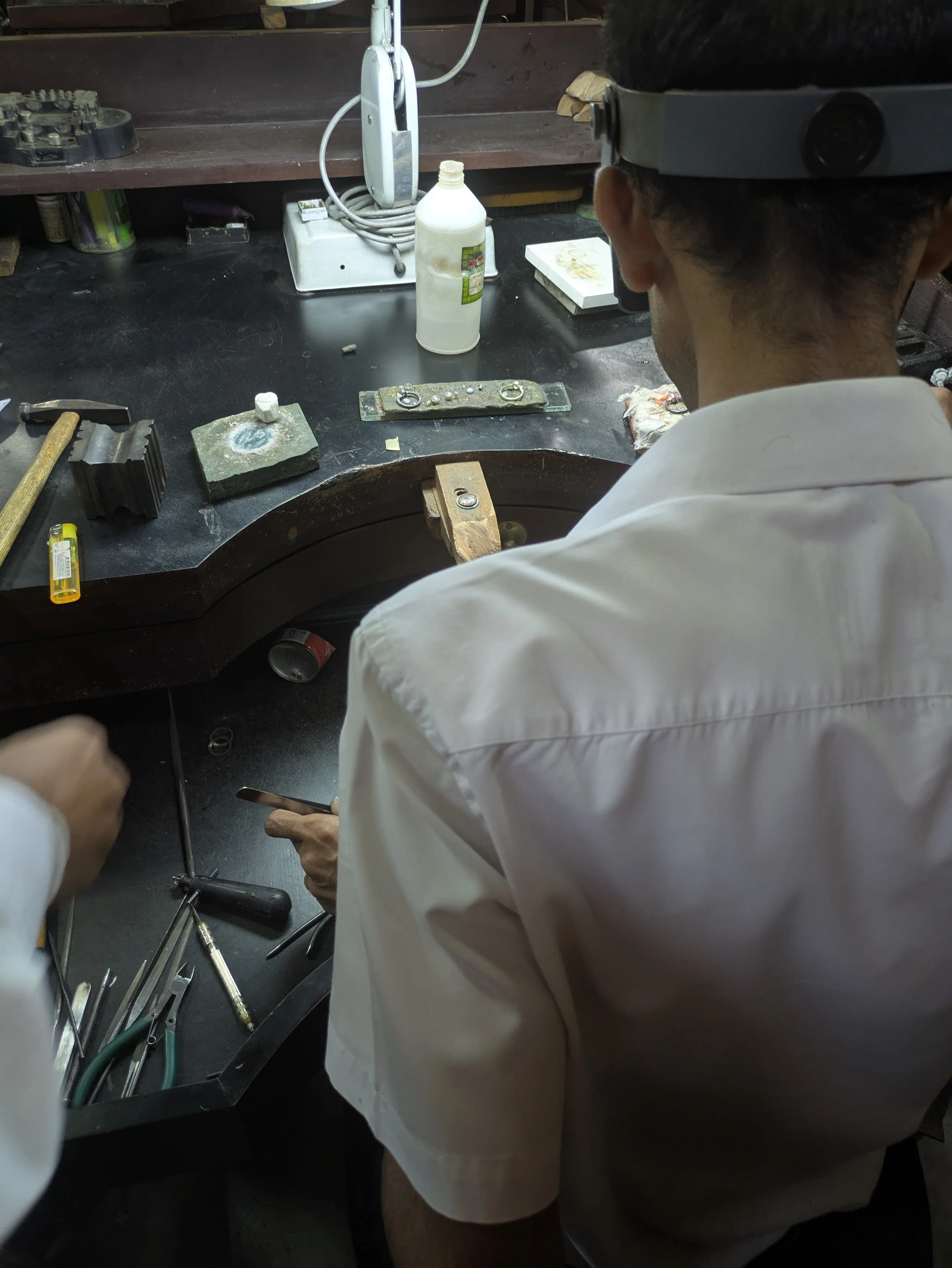
I also toured the company’s small museum and workshop, learning about the process and craft of gem polishing and cutting, and even stepped into his studio to see sketches and pieces in the making. It gave me a deeper appreciation for design and craftsmanship. I’m truly grateful to the local volunteer for the introduction and arrangement — without which this unexpected, delightful side journey would never have opened up.
In this country of many faiths — Buddhism, Hinduism, Christianity, Islam — religious traditions live side by side. You can see buildings of different religions right next to each other: a Hindu temple beside a Buddhist one, a mosque next to a church, none disturbing the others. Within Buddhist temples you can even find Hindu statues and offerings. Such inclusiveness and plurality, such understanding and respect toward faith, are quietly and genuinely embodied in this land.
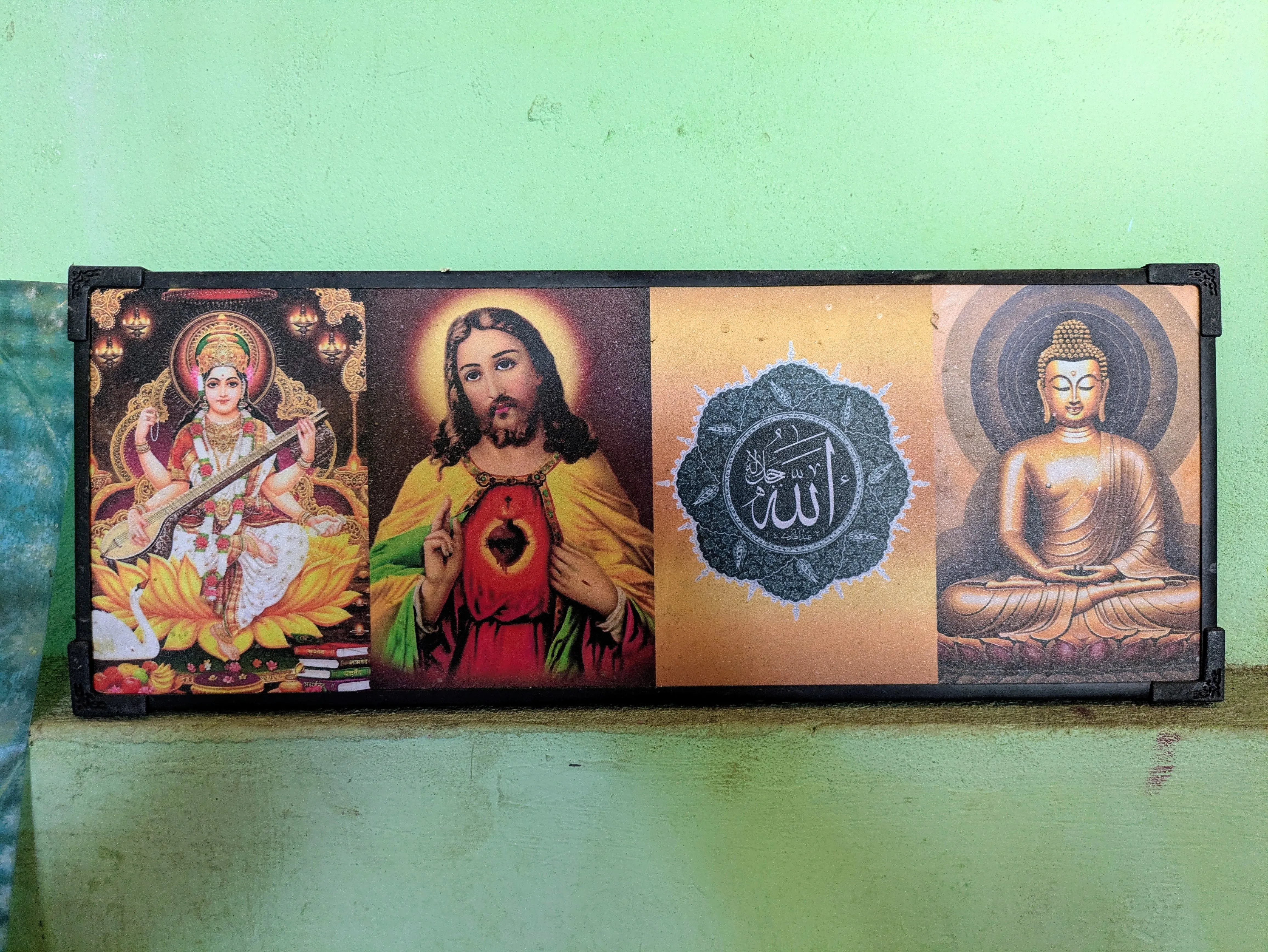
So many of this world’s conflicts and wars have arisen from differences in religion. But we all live together on this same earth — are we really so different? How much do we truly know of one another? It reminds me of a saying: “When you truly know your enemy, you also love him.” And of a passage from Kafka:
We are as forlorn as children lost in the wood. When you stand in front of me and look at me, what do you know of the griefs that are in me and what do I know of yours. And if I were to cast myself down before you and weep and tell you, what more would you know about me than you know about Hell when someone tells you it is hot and dreadful? For that reason alone, we human beings ought to stand before one another as reverently, as reflectively, as lovingly, as we would stand before the entrance to Hell.
—— Franz Kafka
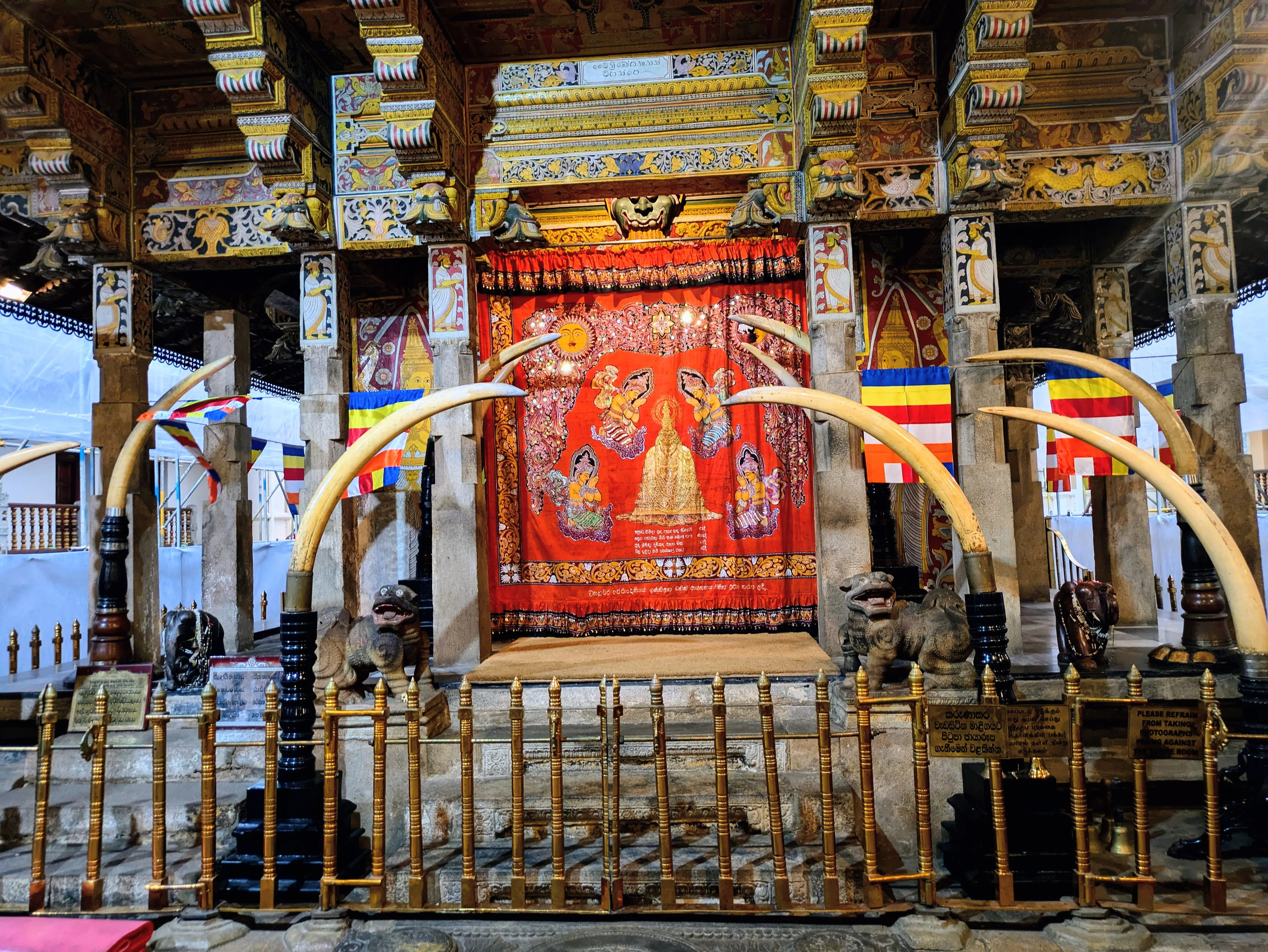
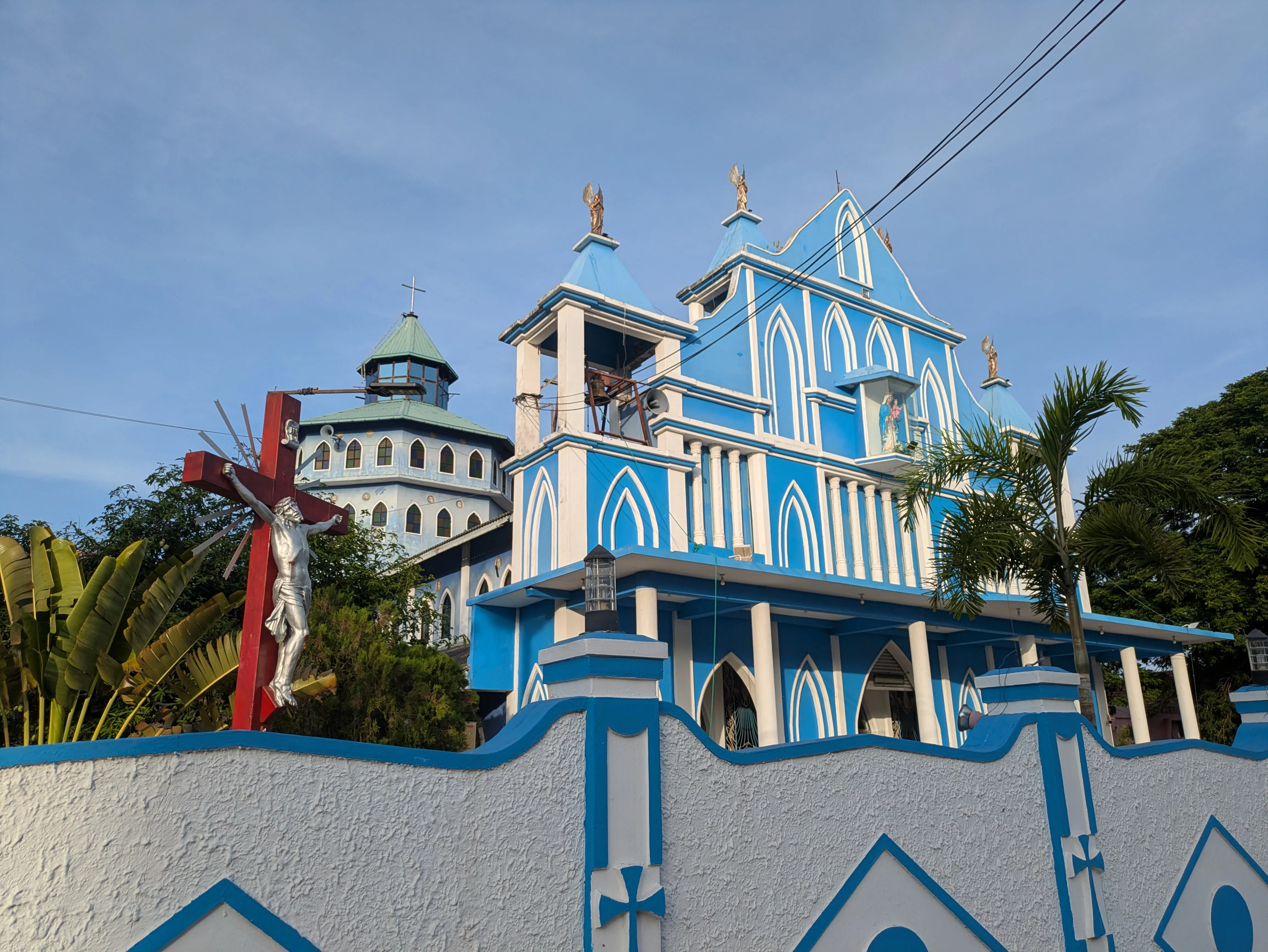
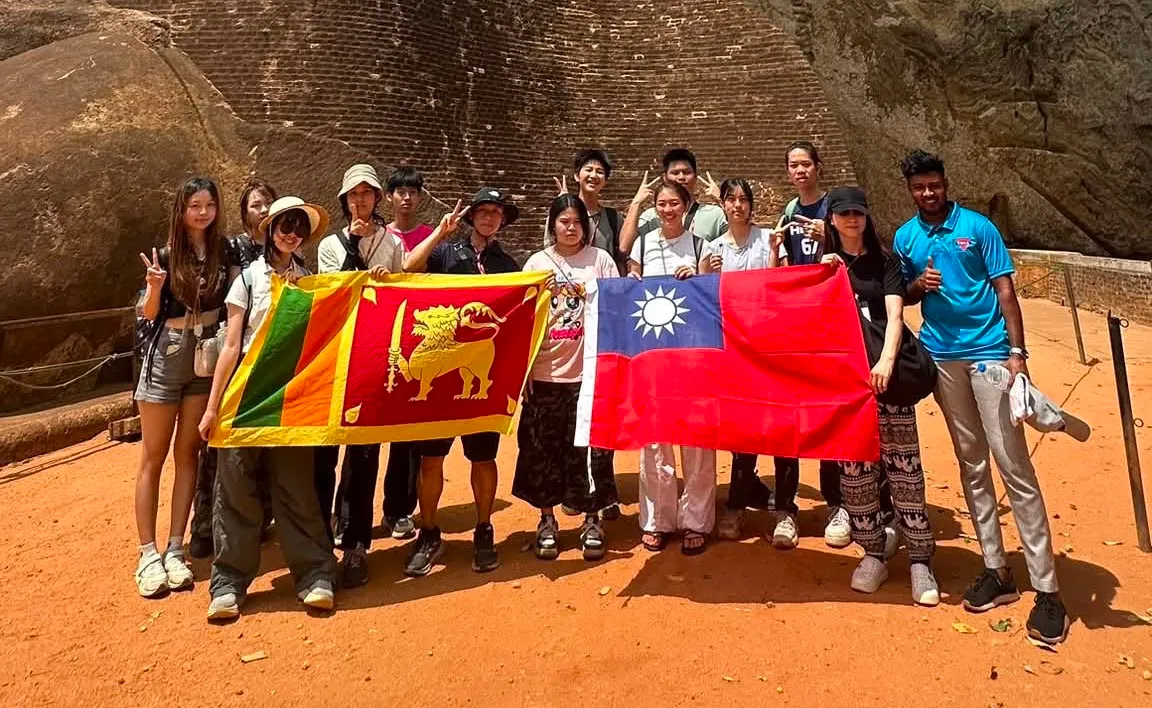
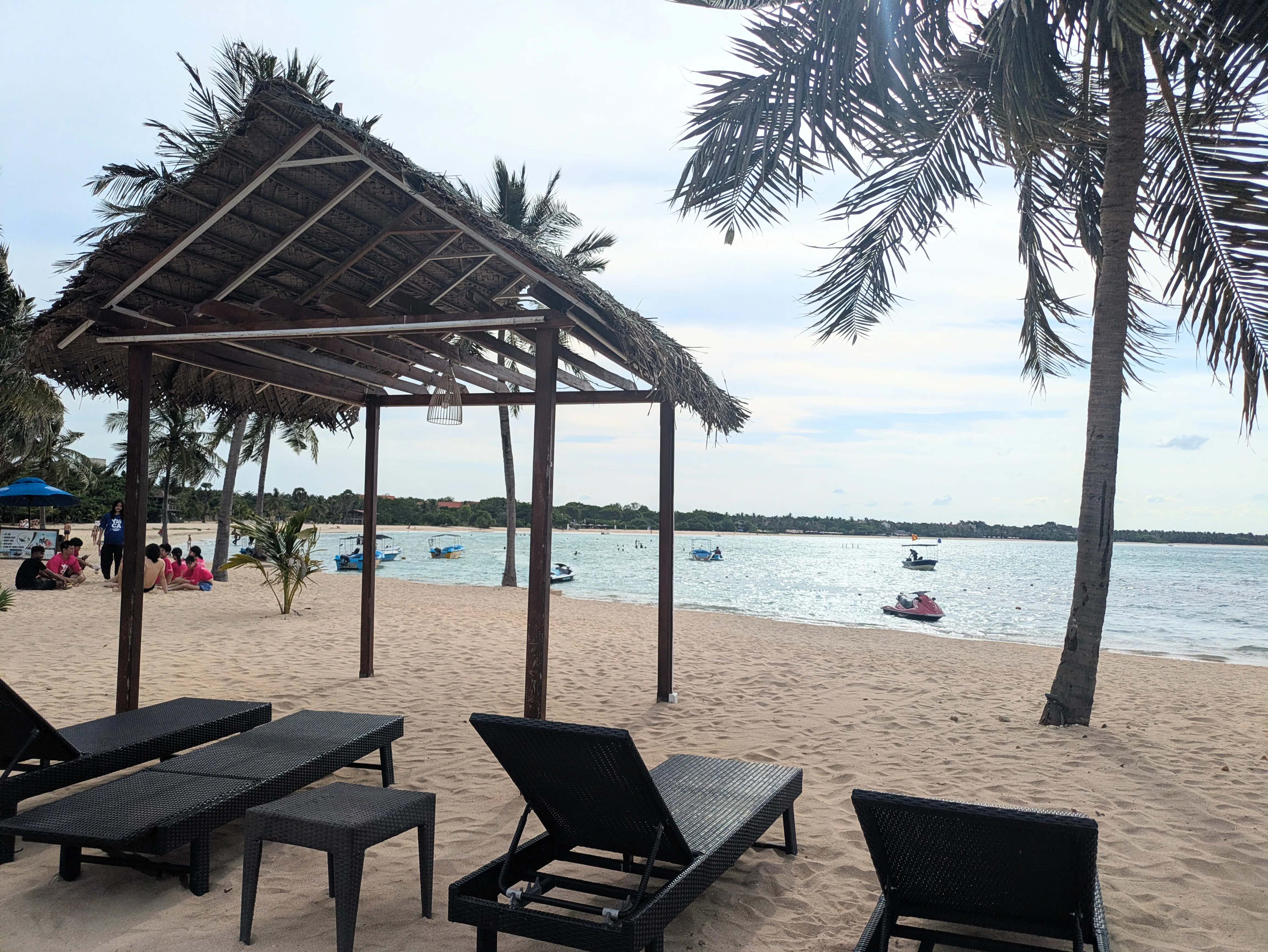
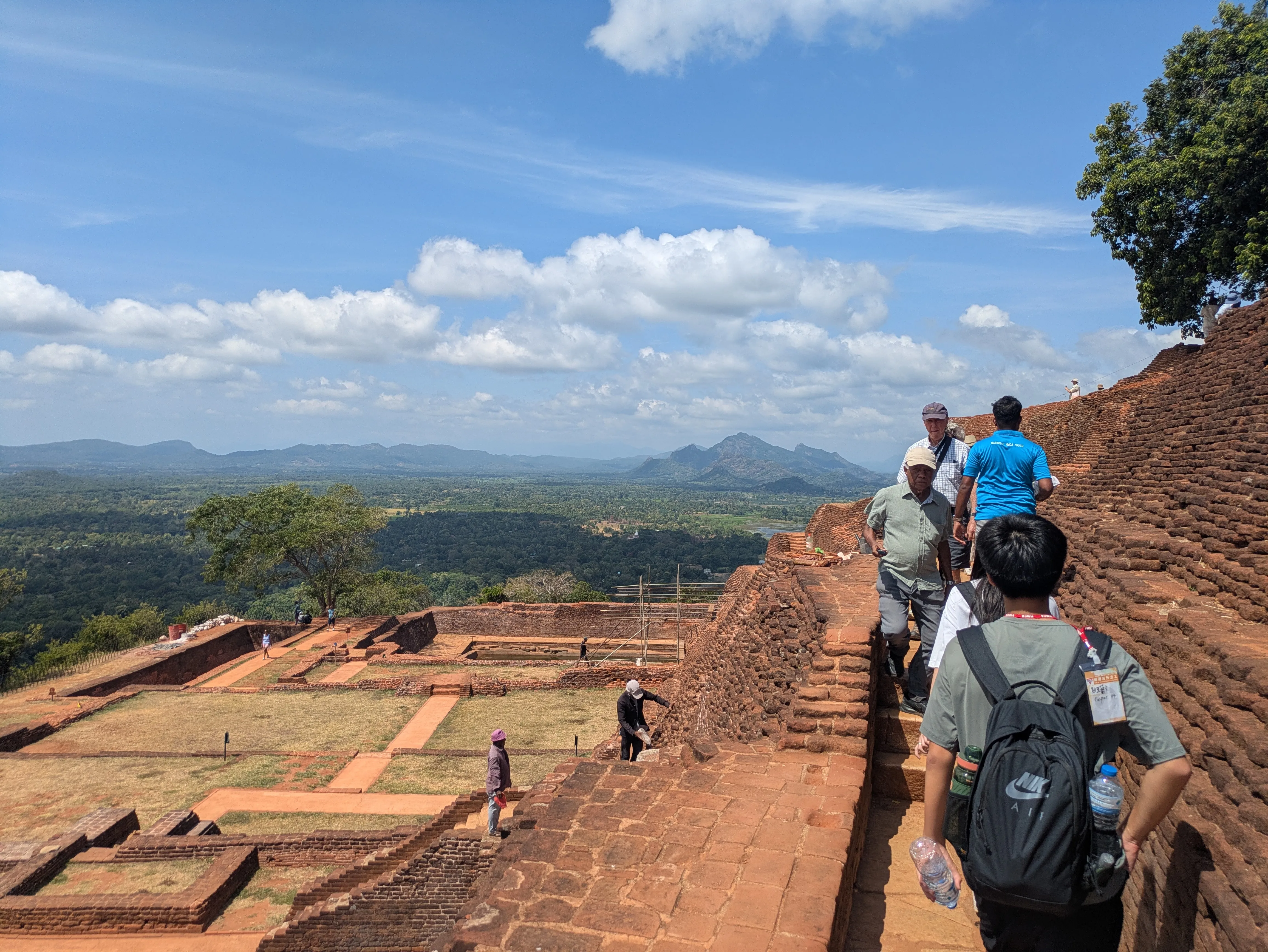
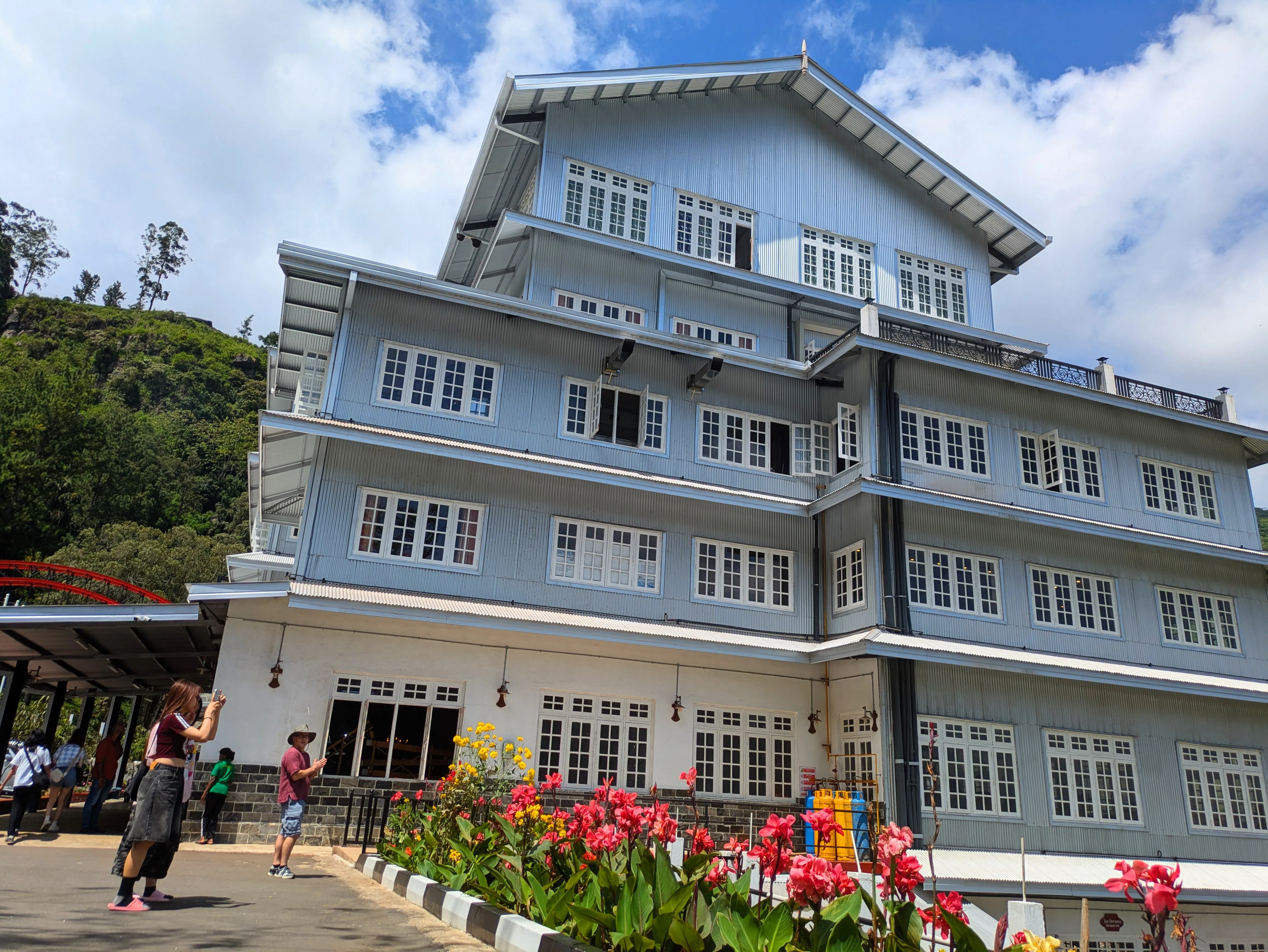
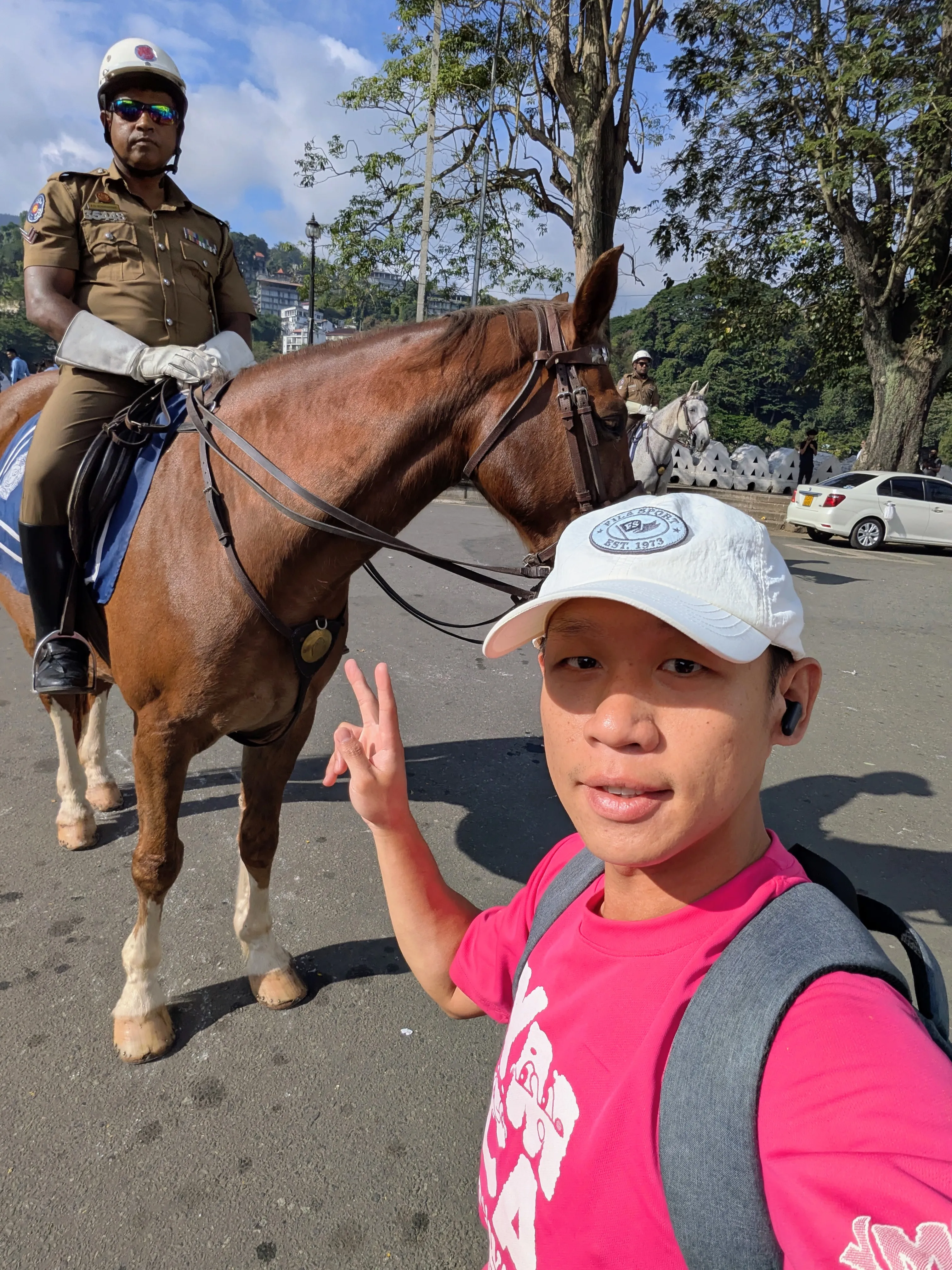
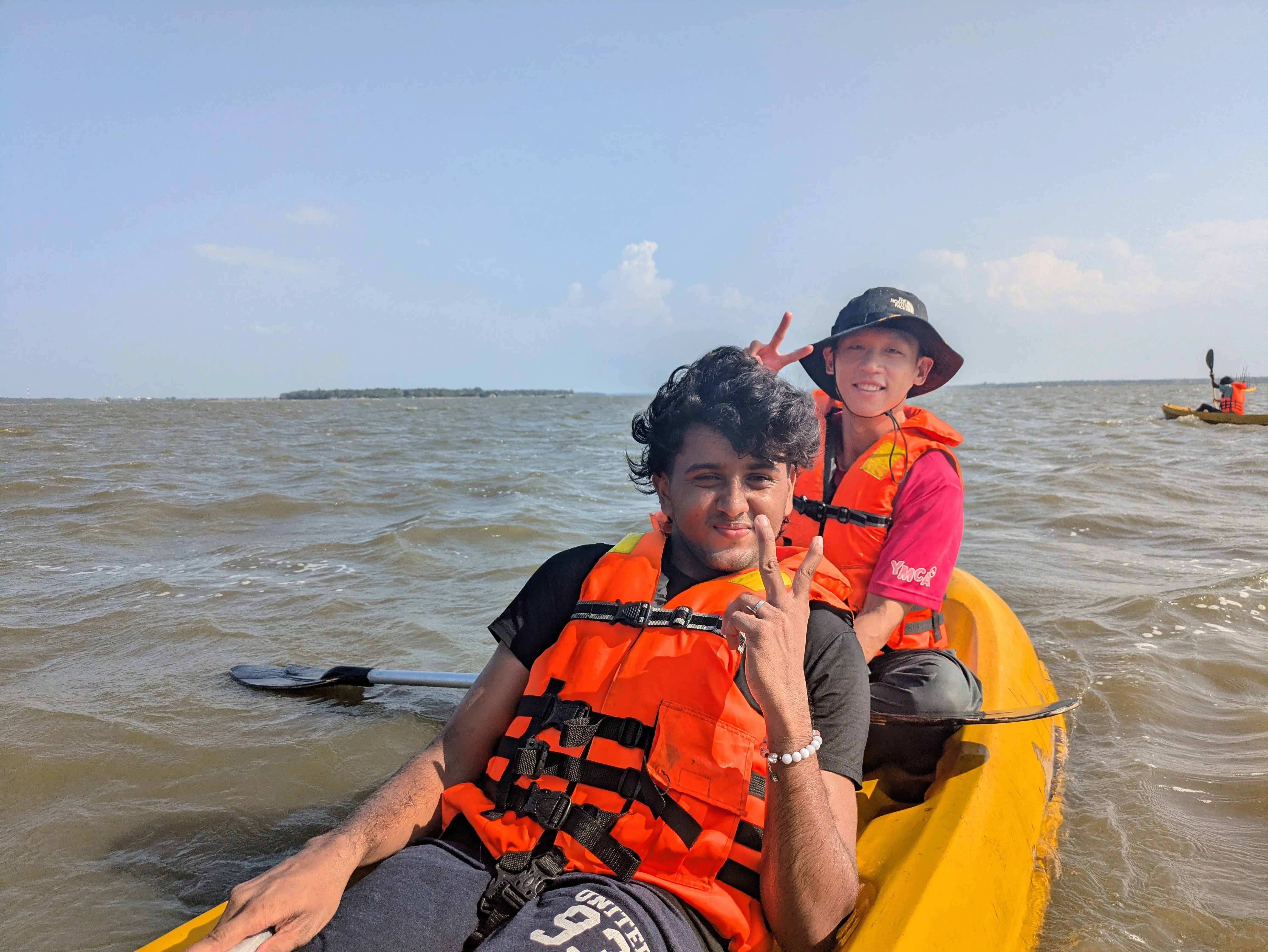
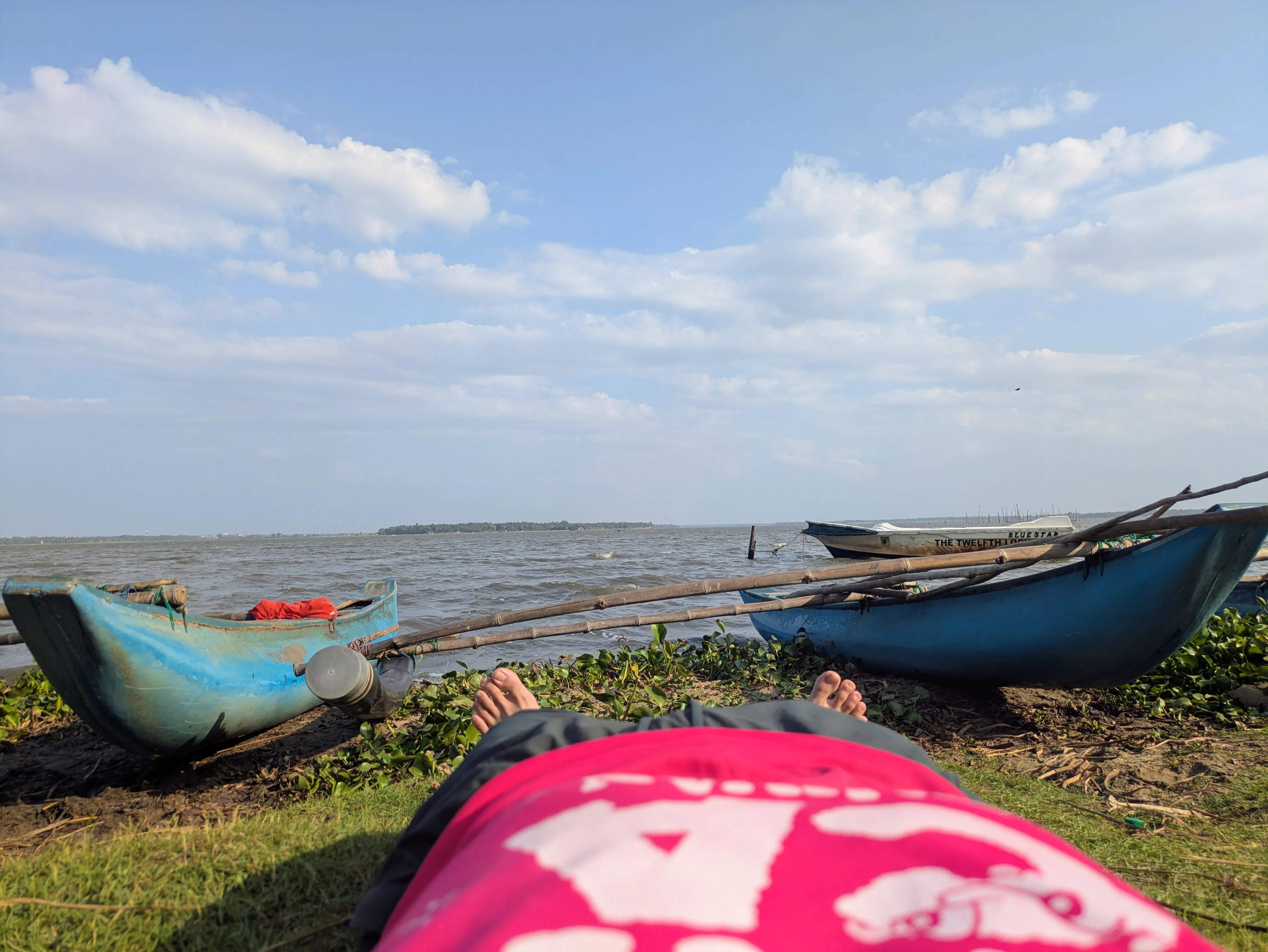
Beyond the volunteer service, there was of course sightseeing too. We watched traditional theatre and dance at a music academy, visited ancient fortresses that had passed through many dynasties, spent time at Passikudah Beach soaking up sun and sea, tried the local outrigger canoes, climbed the famous Sigiriya Rock and stood atop the palace ruins looking out over an endless sea of trees and mountains. We stayed in the sacred city of Kandy, visited the Temple of the Sacred Tooth Relic and various religious sites, and wandered through markets and night bazaars, letting the local life and culture seep in. Each of these experiences added new colors and memories to the journey.
On the flight home, looking out at the clouds beyond the window, I realized what I was bringing back was not just photographs and souvenirs, but those eyes, those encounters, and a heart softened once more toward the world. It felt as though, over the vast Indian Ocean, I had quietly set down a few burdens I had been carrying for far too long.
I had set out thinking of what I could bring to this land; I came back to find that the seed had, in truth, been planted in me. The “stillness” I had asked for at the start of the year — perhaps this is what it looks like: in some quiet moment, to look back and see that I have slowly grown into someone a little different.