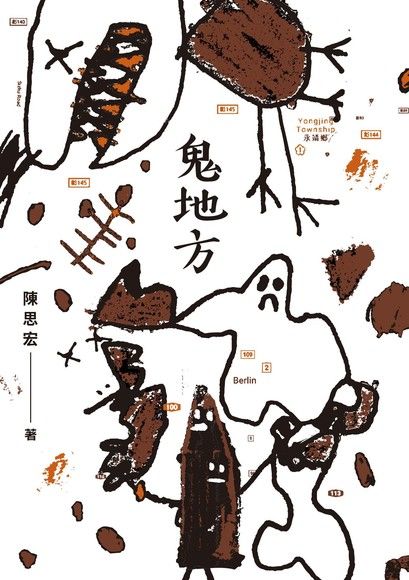
Ghost Town
Chen Szu-han
Reading Reflection
When the wind rises, ghosts haunt—about escape and return, memory and forgetting, that ghost place that traps us
Core Content Overview#
Story Summary#
Ghosts and wind, a story where magic and reality intertwine.
The youngest son who escaped the “ghost town” has returned. Revolving around the Chen family parents, brothers and sisters, multiple perspectives gradually reveal past wounds. Some escaped and returned, some died here, some are still trapped here, some think they escaped but have actually always been here, some escaped but were imprisoned by another place.
The wind spread throughout Yongjing, reaching every corner.
Highlights#
A Passage That Moved You#
William Faulkner’s famous quote: “The past is never dead. It’s not even past.”
But he came back today. He has no answers. Why do people go home? Where is home? He didn’t come back for redemption, not for confession, not to seek answers. Returning home is not an obligation, returning home makes him afraid. But he must come back. Because, there really is nowhere else to go.
With memory, pain, wanting to bury, scatter, the past like a shadow, the past follows, with past comes ghosts. Ghosts are everywhere in the human world, perhaps, you and I are both ghosts.
Human memory filters, alters, in some extreme situations, people actively delete too painful growth experiences, keeping the beautiful, the good.
Waking up, she’s neither in the mountains nor in the country. She’s here. — Always here.
Where does wind start? Distant sea? Distant mountains? The wind blowing to Yongjing today started from the Baltic Sea, from the White House’s moisture-proof box, from the starfruit orchard’s treetops. Wind layer upon layer, carrying words. Wind’s words blew into Grandma’s ears, for her to convey.
Memory is my medium of existence and transmission. Through my memory, and others’ memories, I can “be,” be here, be present, be there.
Interesting or Unexpected Parts#
Fourth sister and fifth sister’s relationship and obsession, fireworks blooming before the White House.
Key Insights or Values#
Human obsessions, looking back afterward, seem as absurd as a hippo walking on the street.
Once wind rises, it quickly spreads to every corner, the destructive power of language.
Yukio Mishima said: “If you don’t beautify memories, don’t forget hateful pasts, people can’t live.”
Personal Reflection & Practice#
Impact on Me#
Life’s eight sufferings: birth, aging, sickness, death, separation from loved ones, meeting with hatred, not getting what you seek, the flourishing of the five aggregates.
All conditioned phenomena are like dreams, illusions, bubbles, shadows, like dew and like lightning, thus should you view them.
Practical Application#
Don’t be overly attached, often reflect on one’s own faults, don’t discuss others’ wrongs.
Extended Thinking#
Thought-Provoking Questions#
Do you have hateful, unwanted pasts you don’t want to face, or memories you don’t want to recall?
Recommendations & Summary#
Suitable Readers:
Suitable for readers who like suspense and foreshadowing, making you involuntarily turn page after page.
Summary:
The switching of multiple perspectives and the convergence of storylines is spectacular. On the road of memories and seeking roots, facing one’s own regret and pain, thinking about what death is, or how to truly be alive.