
Hidden Potential
Adam Grant
Reading Reflection
Unlocking potential and overcoming plateaus—about growth, resilience, and discovering hidden strengths
Core Content Overview#
Character Skills#
Embrace Discomfort and Dare to Make Mistakes
If you only learn in ways that you’re already good at, you rob yourself of the chance to improve your weaknesses. The more mistakes you make, the faster you improve, and the less trouble those mistakes cause. If you feel uncomfortable making mistakes, the best solution is to make more mistakes.
Actively Seek Growth and Filter Your Environment
Replace the common question “Does anyone have any feedback?” with a more focused request: “What can I do better or how can I improve?”
Imperfectionists
All things have cracks, that’s where the light gets in.
—— Leonard Cohen
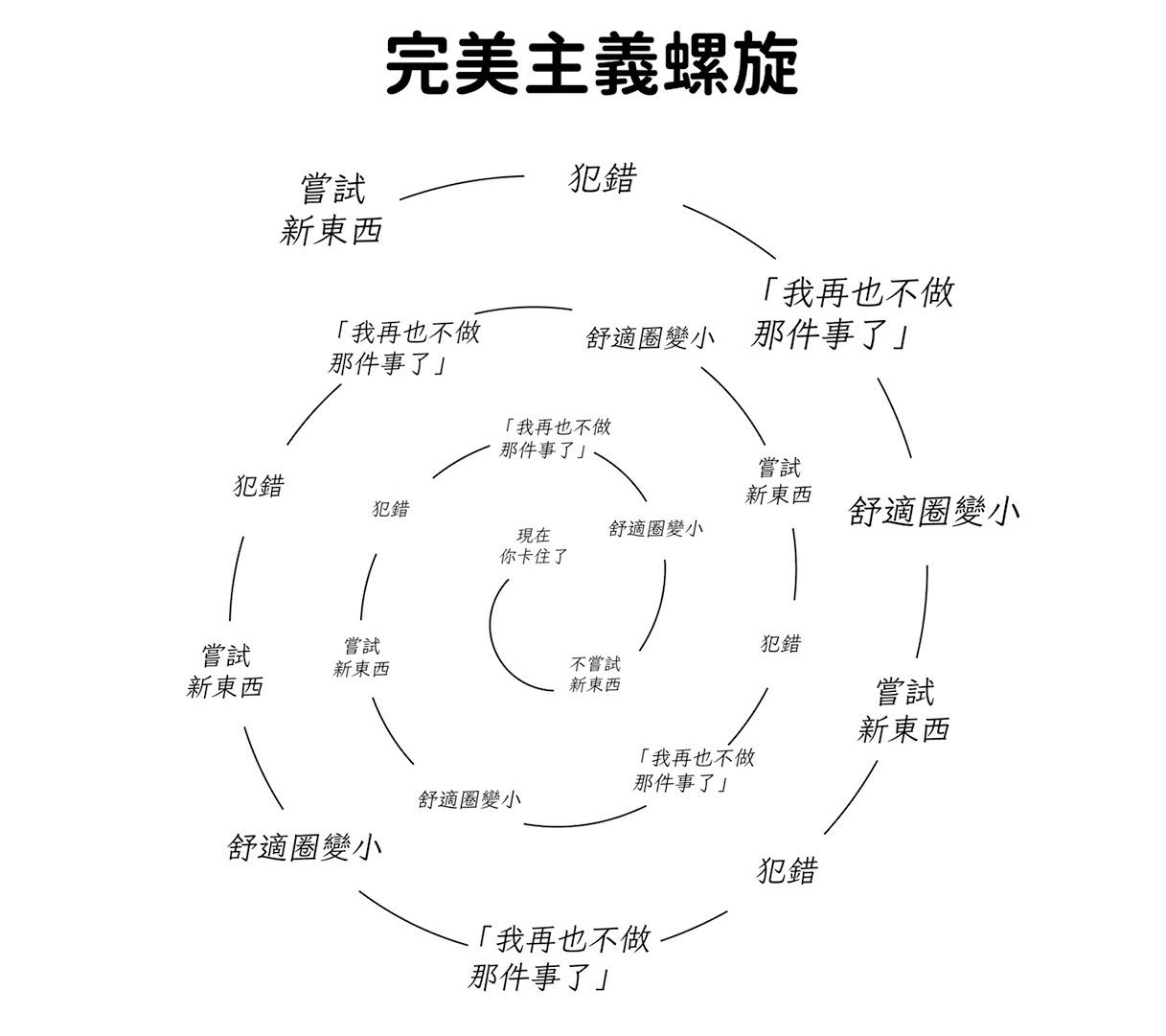
- Imperfectionists only nitpick about things they’ve decided to do well.
- Reviewing mistakes isn’t to shame your past self, but to educate your future self. Others don’t judge your ability based on a single performance. Success isn’t about how close you get to perfection, but about how many difficulties you overcome in the process of progress. Done is better than perfect.
Creating Structures to Maintain Motivation#
Infusing Passion and Fun into Practice
What satisfies us is neither work nor play; neither purpose nor purposelessness, but bouncing back and forth between them.
—— Game designer Bernard De Koven
- The monotony of deliberate practice makes them more likely to fall into burnout and boreout. Burnout is the emotional exhaustion accumulated when overworked, while boreout is the emotional numbness felt when under-stimulated.
- Deliberate play often requires introducing novelty and variety into practice—whether it’s how you learn, the tools you use, the goals you set, or the people you interact with. Learning and mastering through entertainment means breaking down complex tasks into simpler parts to hone specific skills. It’s not about using willpower to get through tough times, but actively changing the situation to make it less difficult.
- Hundreds of experiments show that switching between different skills during practice leads to faster improvement. Psychologists call this interleaving.
- “Practice is only worthwhile if you’re improving. Quality over quantity. You need to feel change—to feel different when you walk out of the room.”
- Previous practice focused on “results judged by others,” while deliberate play made her realize that “what truly matters is whether you enjoy it yourself.” Without enjoyment, potential remains hidden.
Breaking Through Stagnation
Every limit is both a beginning and an end.
—— George Eliot
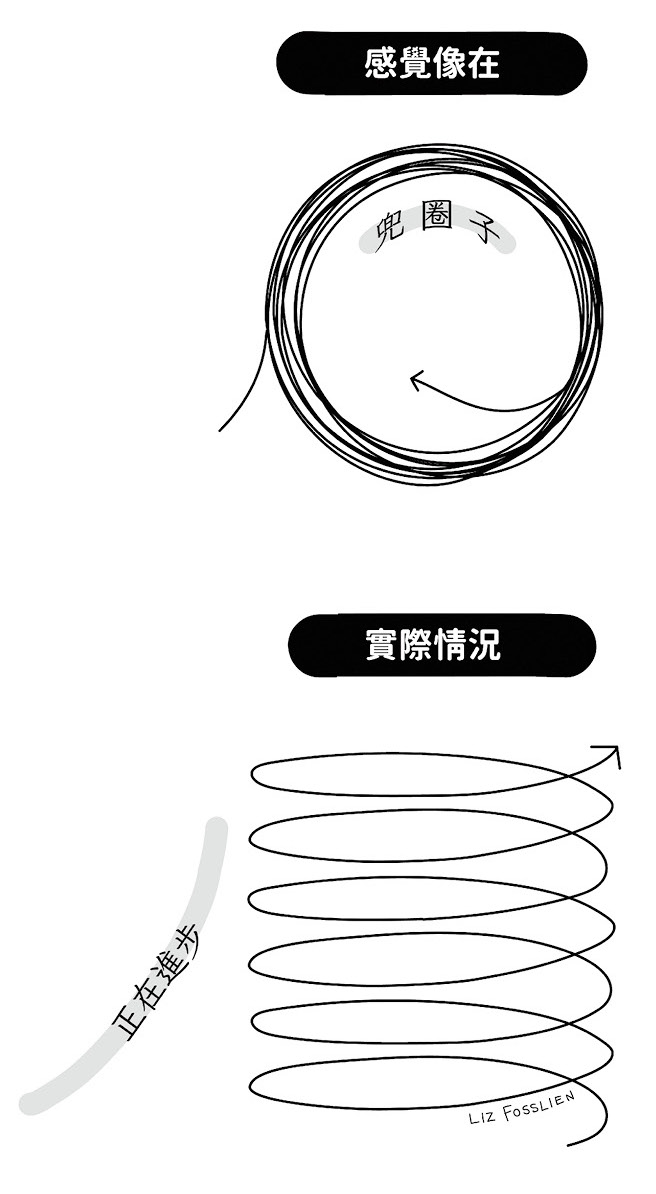
- We often fear going backward. We think slowing down is regression, backing up is giving up, and detours are straying from the path. We worry that once we step back, we’ll lose our footing completely. This causes us to stay put—firmly stuck.
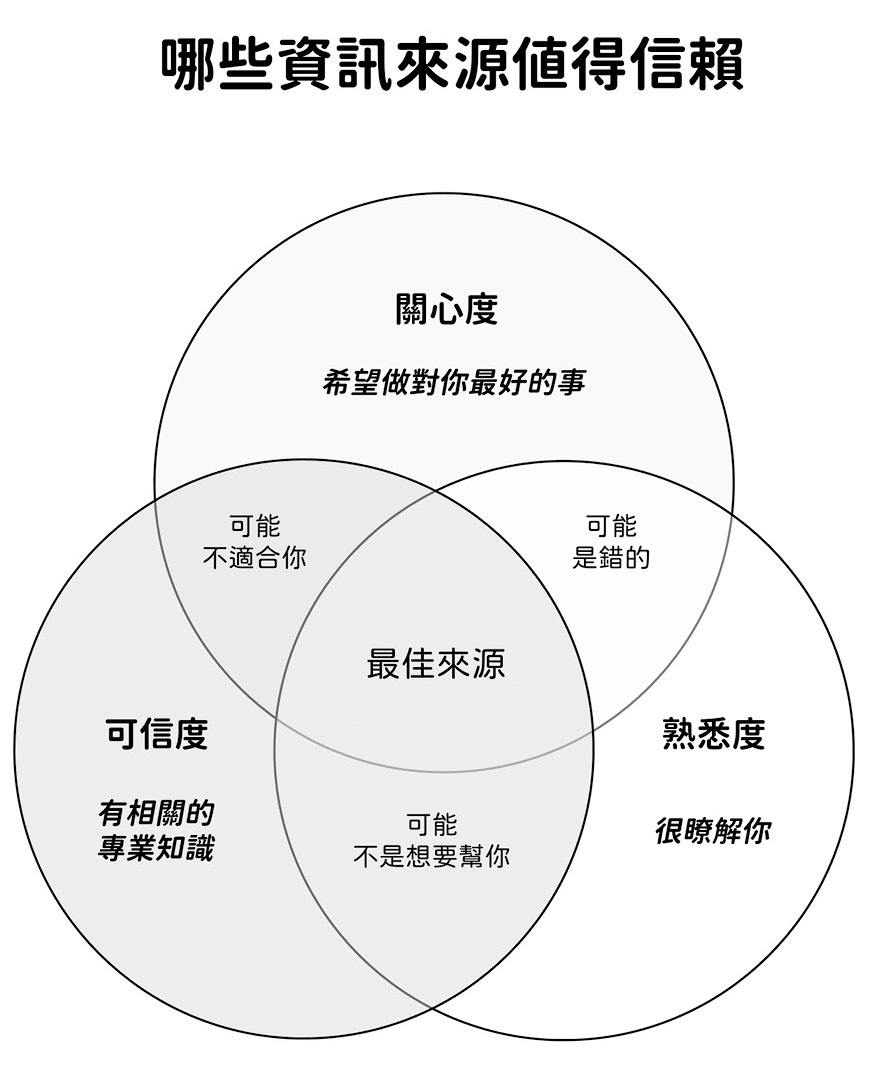
- The more uncertain the path and the higher the peak, the broader the guidance you need. The challenge is to piece together everyone’s advice into a route that works for you. You start by seeking their advice—but instead of asking them what to do, ask them to recall how they did it.
Self-Reliance and Helping Yourself#
If we don’t meet benefactors who build scaffolding for us, we may have to build our own scaffolding—this is when self-reliance comes in. Bootstrapping is using your existing resources to help yourself out of difficulties. To discover and cultivate hidden potential, the best approach is actually to reach out and make good use of resources together with others. When facing adversity, focusing outward is what drives us forward.
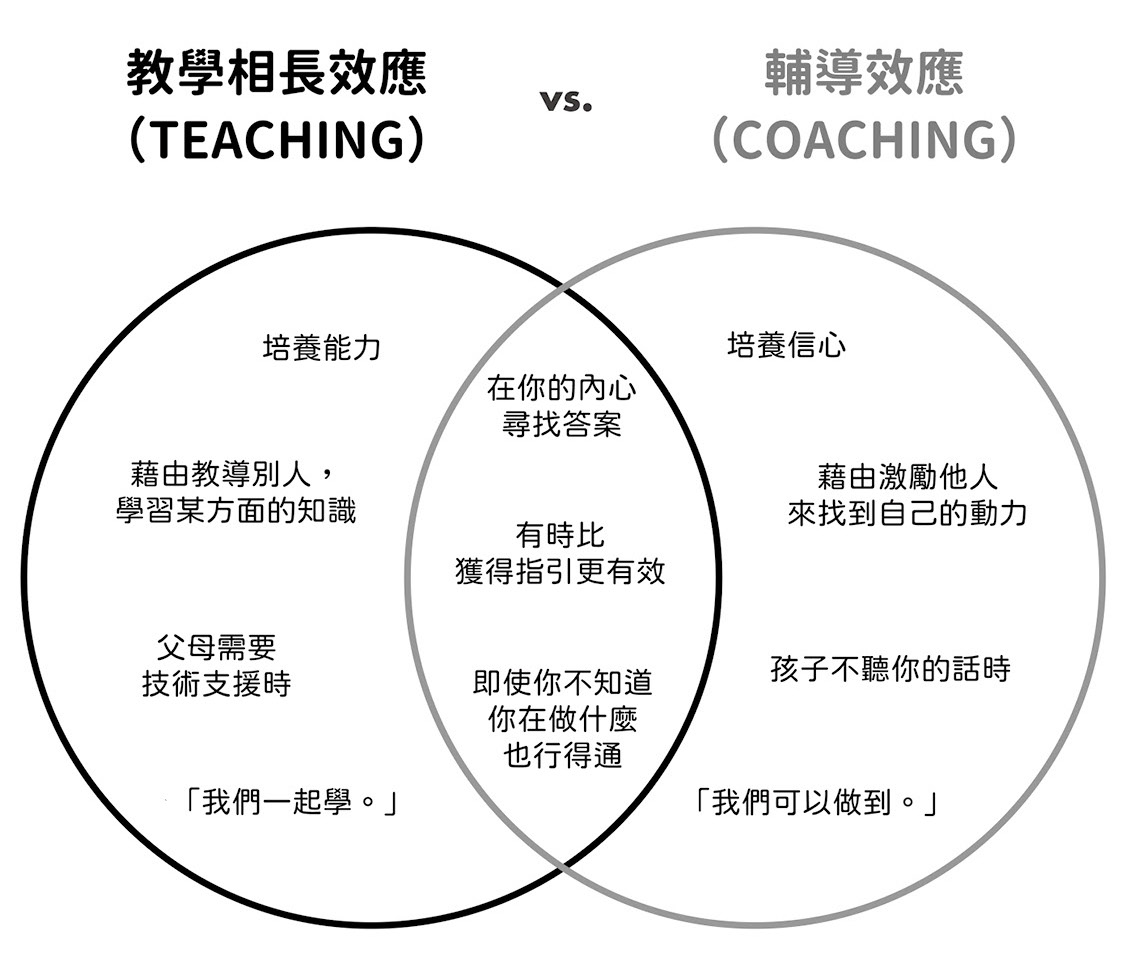
The most powerful bootstrapping isn’t done alone, but created together. Facing obstacles alone is possible. However, when we bootstrap together with partners, we can achieve greater goals together. After guiding others to overcome difficulties, we become more confident in our own ability to overcome challenges.
An ignorant questioner might spark our refutation, but only a mission worth fighting for can fan the flames of our inner fire.
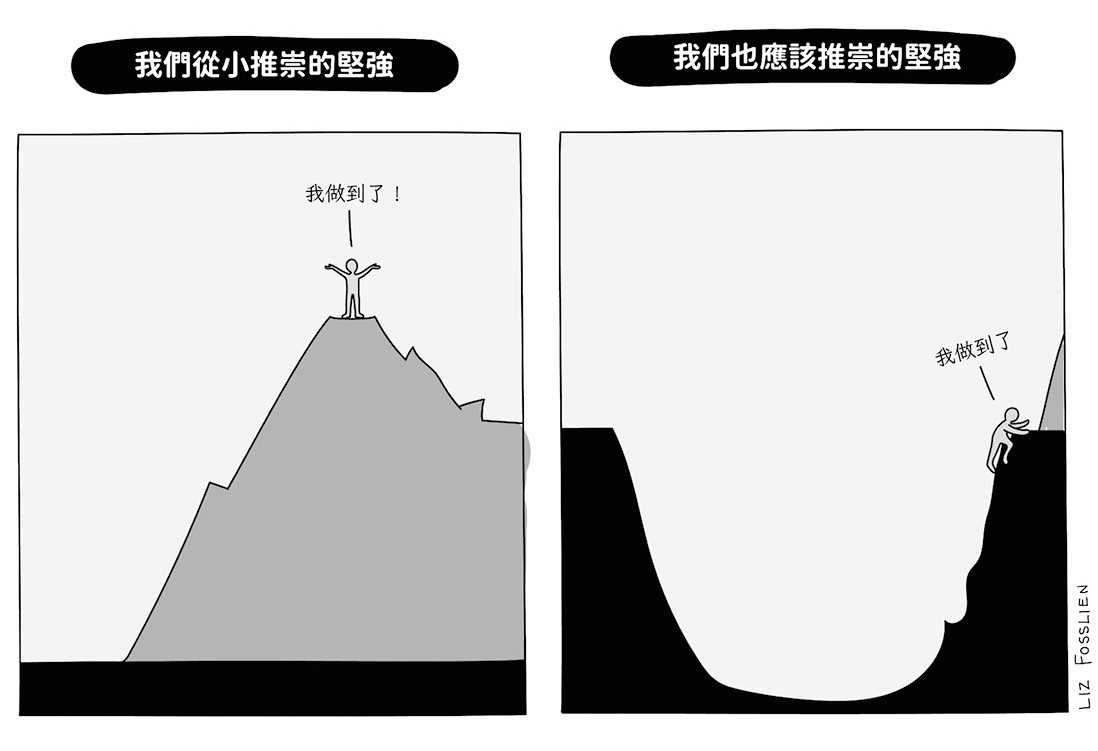
Progress doesn’t necessarily mean moving forward; sometimes it means making a comeback. Progress is reflected not only in the peaks you reach but also in the valleys you cross. Resilience is a form of growth.
Building Systems to Expand Opportunities#
A Culture of Providing Opportunities
In organizational psychology, culture has three elements: practices, values, and underlying assumptions. Practices are daily routines that reflect and reinforce values; values are shared principles about what’s important, desirable, rewarded, or punished; underlying assumptions are deep beliefs about how the world works that people often take for granted. Assumptions shape values, which in turn influence practices.
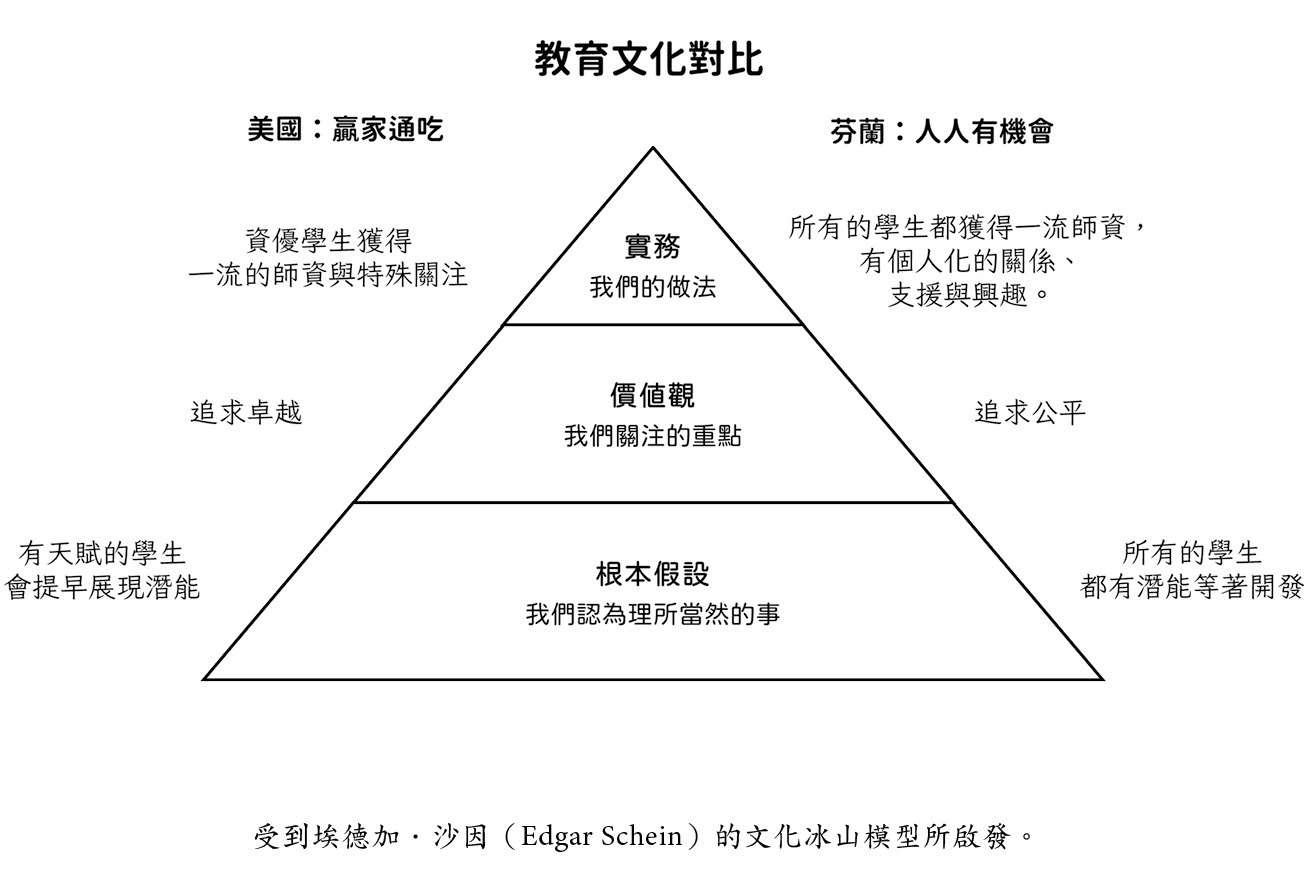
An opportunity culture can only thrive when there’s motivation to seize opportunities.
Discovering Team Collective Intelligence
Some people look around and see things I’ve never discovered.
—— Singer-songwriter Malvina Reynolds
- Being a team player doesn’t mean everyone is always harmonious, getting along, and agreeing with each other, but rather figuring out what the team needs and calling on everyone to contribute their strengths.
- Those icebreaker activities and rope adventure courses can help build camaraderie, but meta-analyses show they don’t necessarily improve team performance. What truly matters is whether members understand they need each other to accomplish important missions.
- Think about brainstorming sessions you’ve attended. You’ve probably seen people bite their tongues because of ego threat (I don’t want to look stupid), noise (we can’t all talk at once), or conformity pressure (let’s all agree with the boss!). Goodbye diverse creativity, hello groupthink.
- Method: First ask everyone to write down ideas individually; then collect those ideas and share them anonymously with the team. To maintain independent judgment, each member evaluates the ideas separately; finally, the team comes together to select and refine the most promising options.
- When teams are passive and waiting for instructions from above, extroverted leaders can create the best results. They propose a vision and inspire the team to follow their lead. But when teams are proactive and proposing many concepts and suggestions, introverted leaders can lead them to create better results. Facing a sponge team, the best leader isn’t the one who talks the most, but the one who listens best.
Discovering Raw Talent
The measure of success is not the position a person reaches in life, but the obstacles they overcome in pursuing success.
—— Booker T. Washington
- A meta-analysis of forty-five studies shows that in organizations with affirmative action policies, disadvantaged groups have more difficulty completing tasks and receive worse performance reviews. The mere existence of affirmative action policies in an organization is enough to make observers question the abilities of disadvantaged groups (Do they really deserve promotion?), and enough to make disadvantaged individuals doubt themselves (Did I get in on merit?).
- We unintentionally favor applicants who complete tasks easily, overlooking those who pass through difficult trials. At the end of the day, the key metric for measuring potential isn’t the severity of adversity people encounter, but how they respond to adversity.
- The best standard for measuring skills is what candidates can do, not what they say or what they’ve done before. During interviews, instead of trying to trip up candidates, we should give them opportunities to show their best; it’s more meaningful to see how they perform when trying again than to see how they do the first time.
Highlights#
A Passage That Moved You#
“I do my best because those I count on also count on me.”
Ultimately, excellence isn’t about meeting others’ expectations, but also about reaching your own standards. After all, you can’t please everyone. The key is whether you’ve let ‘the right people’ down. Better to disappoint others than to disappoint yourself.
Impostor syndrome says: “I don’t know what I’m doing, and eventually everyone will find out I’m a fraud.”
Growth mindset says: “I don’t know what I’m doing yet, but I think I’ll figure it out eventually.”
Interesting or Unexpected Parts#
“I don’t know what I’m doing yet, but I think I’ll figure it out eventually”
The uncertainty that challenges bring during growth and learning often makes us question our abilities. Surprisingly, when I suddenly saw this sentence, it gave me a sense of slightly relaxing the constantly tense nerves, allowing me to face more challenges with more positive thinking.
“I do my best because those I count on also count on me.”
After entering society and facing a rapidly changing world, I realized how precious it is to have partners working together toward common goals.
Personal Reflection & Practice#
Impact on Me#
Lethargy disrupts attention and weakens motivation. Thus, it becomes a paradoxical dilemma: you know you should do something, but you doubt whether it will be effective. What you should do is pull the car off the highway to refuel.
Practical Application#
Try to learn to choose and discern, and find the path that suits you.
Try to shift your thinking when you hit a wall; even if it feels like going in circles, as long as you persist in the right direction, you’re climbing upward.
Try to break through with positive thinking when questioning yourself.
Extended Thinking#
Thought-Provoking Questions#
Have you experienced a low point in life, what setbacks did you encounter, and how did you get through them?
Recommendations & Summary#
Suitable Readers:
For those who feel stuck, burned out, or find life boring, this book might provide some inspiration.
Summary:
This book doesn’t simply tell people to work hard and persist. Instead, it reminds us to rest appropriately, set goals, find passion and vitality, filter and find the path truly suitable for ourselves, and create opportunities together with others to fight side by side.
Life isn’t just about mountains; we will also experience many valleys. We shouldn’t only focus on those who climb mountains but also praise those who cross valleys. Choose to focus on the parts you’re determined to do well, pursue excellence rather than perfection, and avoid getting stuck in place due to perfectionism.